Advanced Liquid Package Solution
Any question?
Get in touch


Opening a can of soda releases a familiar hiss, followed by the bubbles that give carbonated drinks their refreshing character. Filling carbonated drinks into cans requires careful control of pressure to retain CO2 , minimize foaming, and maintain consistent fill levels. The filling process must control pressure, limit excessive foaming, maintain accurate fill levels, and ensure a reliable seal to prevent CO2 from escaping.
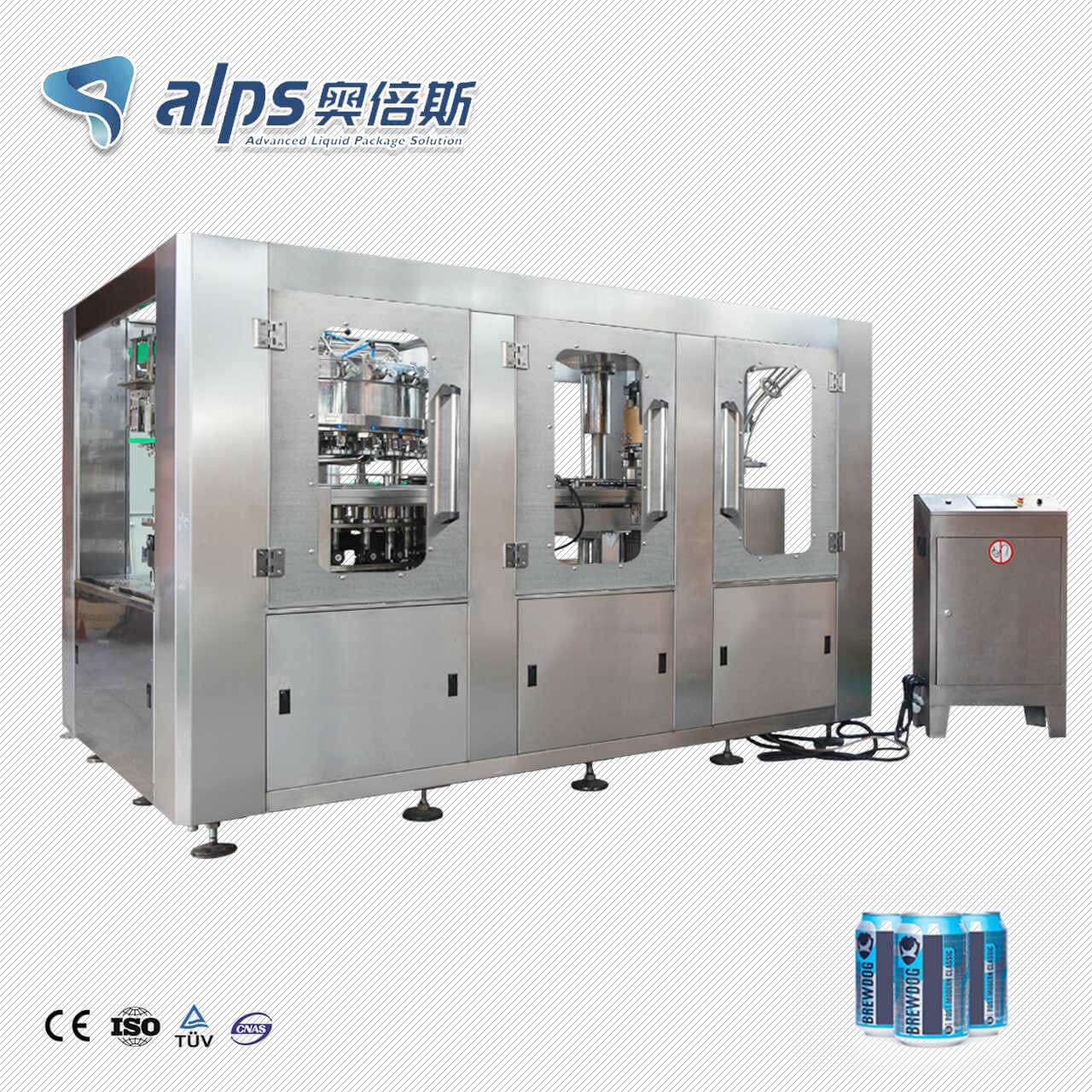
A pop can filling machine coordinates several stages to achieve these results. Empty cans are prepared and pressurized before the carbonated beverage enters under balanced pressure. After filling, controlled pressure release and can seaming help preserve carbonation and protect product quality.
Understanding how these machines work involves examining their operating steps, key components, and the factors affecting filling accuracy. This article also explains equipment types and selection considerations for different production needs.

A can filling machine fills and seals carbonated drinks through several controlled stages. The exact process depends on the equipment design.
Can Feeding and Preparation
Empty cans move by conveyor and may be rinsed before reaching the filling station.
CO2 Purging and Pre-Pressurization
Where supported, CO2 purging reduces air inside the cans. Pre-pressurization brings internal pressure closer to the filling system's operating pressure.
Counter-Pressure Filling
Once pressure is balanced, the beverage flows through sealed filling valves. Controlled pressure and flow help limit foaming and maintain consistent fill levels.
Pressure Release and Seaming
After filling, controlled depressurization helps reduce foaming. Lids are then seamed onto the cans to create a secure seal. Final checks assess fill levels, seam integrity, and leaks before coding and packaging.
An automatic can filling machine combines liquid handling, can positioning, sealing, and automated controls. Each component supports consistent filling and reliable operation.
Component | Main Function |
Filling valves and product tank | Control beverage flow and pressure conditions; provide a stable product supply. |
Conveyors, star wheels, and lifting mechanisms | Transfer cans, align them with filling stations, and maintain proper positioning. |
Seaming unit | Joins the lid to the can body through a double seam. |
PLC, HMI, and sensors | Coordinate operations, display machine status, and monitor parameters such as pressure and position. |
Components must suit the can format and production requirements. Different can dimensions may require compatible star wheels, guides, and seaming tooling. Food-contact materials, cleanable surfaces, and suitable CIP systems also support effective hygiene management.

A can filling and sealing machine needs stable operating conditions to control foaming, fill accuracy, and carbonation retention.
Factor | Effect and Control |
Temperature and pressure | Warmer drinks and pressure changes encourage CO2 loss. Keep conditions consistent. |
Foam and fill level | Excessive foam affects fill accuracy and can contaminate can rims. Adjust flow and pressure settings. |
Seaming and leakage | Poor seams allow leaks and CO2 loss. Check seam dimensions and integrity. |
Oxygen exposure | CO2 purging and oxygen control help protect beverage flavor. |
Regular checks help identify problems early. Maintain filling valves and monitor process settings to reduce batch variations. Inspection methods should suit the beverage and packaging requirements, as processing and storage needs vary by product.
Choosing a can filler machine depends on beverage properties, packaging format, and production requirements.
Isobaric Filling
Isobaric fillers are designed for carbonated drinks such as soda, cola, and sparkling water. They balance pressure during filling to help retain dissolved CO2 . Pressure control, valve design, and depressurization must suit the product.
Gravity and Piston Filling
Gravity fillers suit liquids that can flow reliably under gravity.
Piston fillers provide measured doses for certain liquids, including some viscous products.
Neither should be assumed to replace a suitable counter-pressure system for carbonated beverages.
Rotary and Integrated Systems
Rotary machines process cans across multiple stations for continuous production. Monoblock or integrated configurations combine selected operations, depending on design. When comparing options, consider output targets, floor space, maintenance access, and changeover needs.
A beverage can filling machine should match your product, can format, and production goals.
Confirm the beverage type and carbonation level. Check compatibility with can dimensions and target fill volume. For multiple formats, consider changeover parts, time, and procedures.
Evaluate output requirements, operating hours, and staffing. Check the whole line, not just the filler’s rated speed.
Line capacity: Match seaming, inspection, and packaging speeds.
Maintenance: Assess cleaning needs, spare parts, and service access.
Future growth: Consider product changes and planned capacity increases.
Compare these factors with the initial purchase cost to choose equipment that supports efficient, reliable production over time.
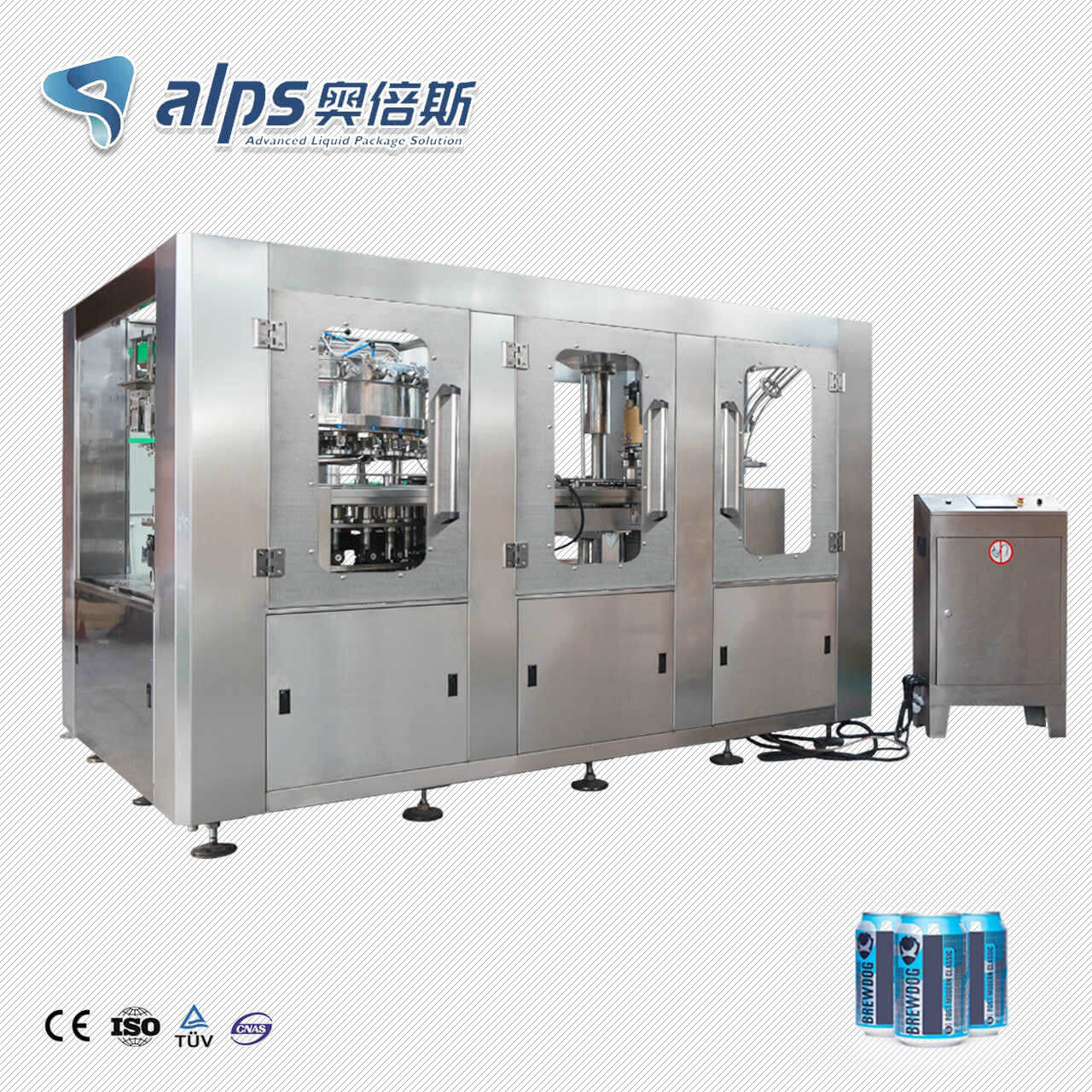
A carbonated beverage filling machine must work in sync with upstream preparation and downstream packaging equipment to support steady production.
Connecting the Production Stages
Stage | Main Function |
Water treatment and syrup preparation | Prepare ingredients to meet product requirements. |
Carbonation and filling | Add CO2 and fill cans under suitable pressure conditions. |
Seaming, inspection, and packaging | Seal cans, check product quality, and prepare finished goods. |
Planning the Layout
Factory space, utility access, target output, can formats, and future expansion all influence equipment configuration. Final configurations should be tailored to each project’s requirements.
A pop can filling machine prepares empty cans, balances pressure, fills carbonated beverages, releases pressure in a controlled manner, and seals each can. Consistent fill levels, CO2 retention, foam control, and sealing quality depend on these stages working together. Choosing suitable equipment and coordinating the entire production line helps maintain reliable operation.
Alps Machine provides CSD production lines, beverage filling and packaging equipment, and project planning support, including factory layout and utility planning. Equipment configuration should match your beverage type, can format, target output, and site conditions. If you are planning a new line or upgrading existing facilities, contact Alps Machine to discuss a solution tailored to your production needs.


By continuing to use the site you agree to our privacy policy Terms and Conditions.