Advanced Liquid Package Solution
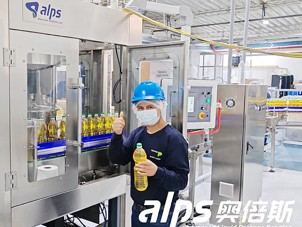
Learn how to select an edible oil filling machine and line by product, bottle, filling method, output, cleaning, capping, inspection, and packing.
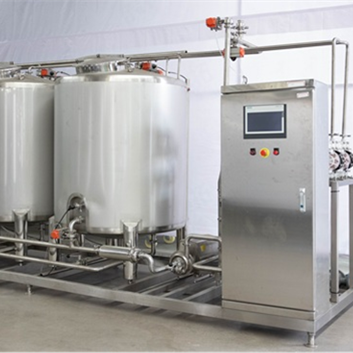
Choose a CIP system for beverage plants by cleaning scope, circuits, utilities, controls and acceptance tests before requesting quotes.
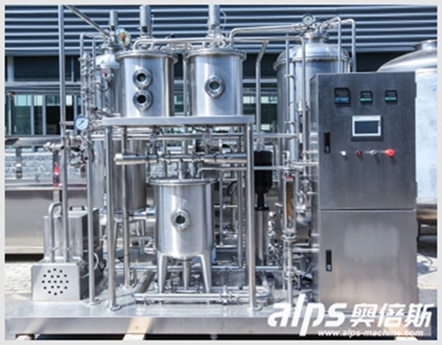
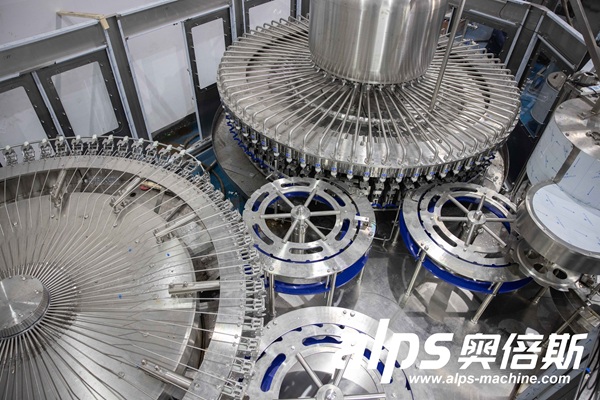
Learn how isobaric filling controls foam and carbonation, when to use it, and what buyers should confirm for PET, glass, and can lines.
Prepare a water filling line RFQ with clear capacity, bottle, utility, equipment and service requirements so supplier quotations can be compared.
Use this water filling line FAT and SAT checklist to verify output, bottle quality, safety, site utilities and records before final acceptance.
Compare inline inspection systems for bottled water lines, covering fill level, caps, labels, leaks, and confirmed rejection of faulty bottles.
Check PET bottle and cap compatibility for your water filling line, from neck finishes and capping torque to handling parts and sample approval.
Learn how to balance a water filling line with matched machine speeds, pack-rate calculations, usable buffers, and controlled recovery.
Regular maintenance is vital for the smooth operation of beverage filling machines. It not only extends the machine's lifespan but also enhances performance and reduces downtime. By implementing a structured maintenance routine, manufacturers can prevent costly repairs and ensure consistent production quality.
Both pure water treatment systems and mineral water treatment systems serve different needs in the water purification industry. Pure water systems are ideal for applications that require high levels of purity, such as pharmaceuticals and industrial processes, whereas mineral water systems are perfect for bottled water intended for human consumption, offering natural minerals and health benefits.
This article will explore the entire juice bottling process, with a particular focus on how juice filling machines contribute to each stage.
This article provides a systematic explanation of liquid filling machines, covering their classifications, filling methods, quantitative principles, and transmission mechanisms.
Contact Us
By continuing to use the site you agree to our privacy policy Terms and Conditions.