Advanced Liquid Package Solution
Any question?
Get in touch


When it comes to modern manufacturing, choosing the right filling machine is not just a technical decision—it directly affects production efficiency, product quality, and long-term operating costs. In many cases, businesses face issues such as inconsistent filling accuracy, low output, or frequent downtime simply because the equipment does not match their actual needs. Therefore, instead of focusing only on price or speed, it is more important to follow a structured approach. By clearly understanding product characteristics, production goals, and system compatibility, companies can select a filling machine that supports stable and scalable production.
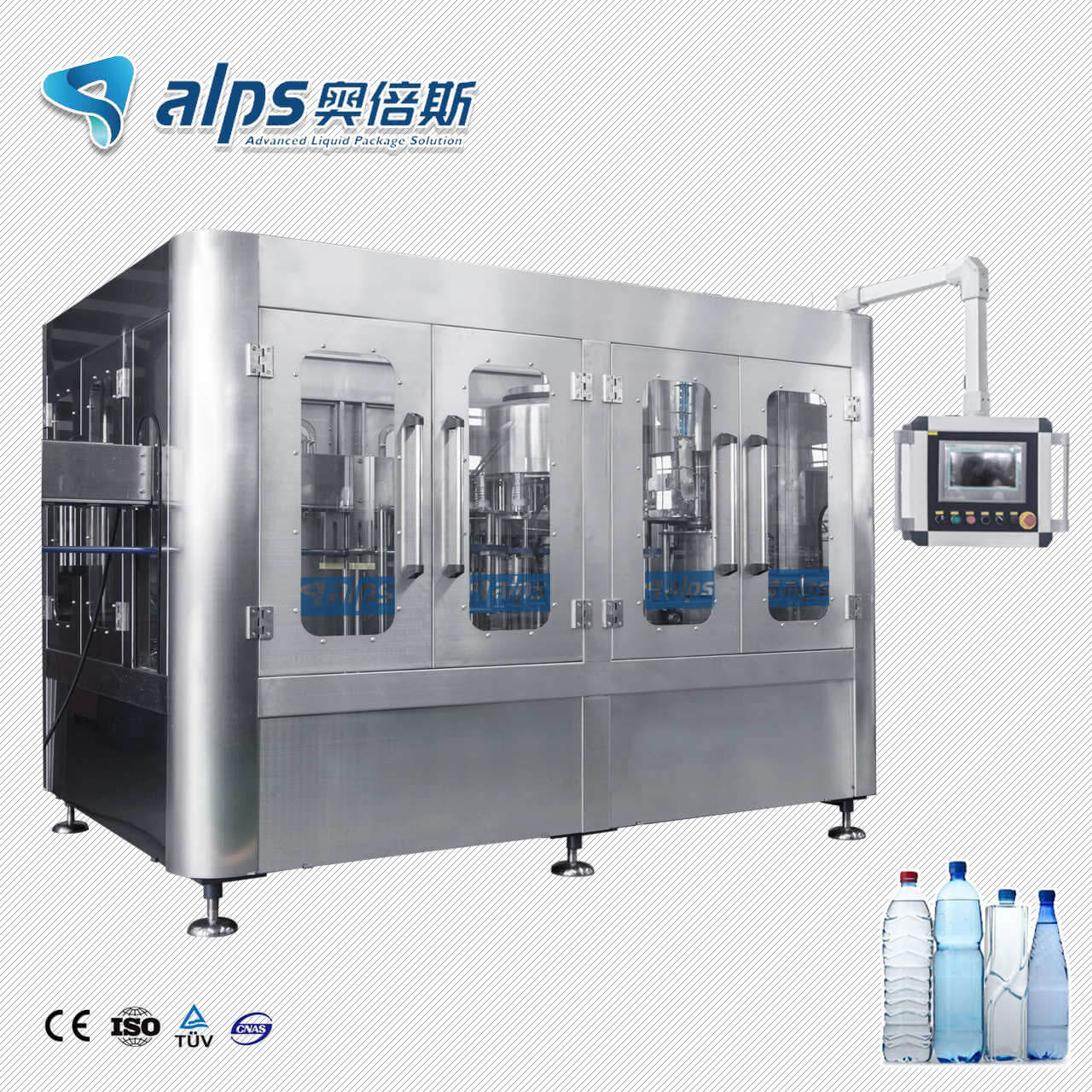
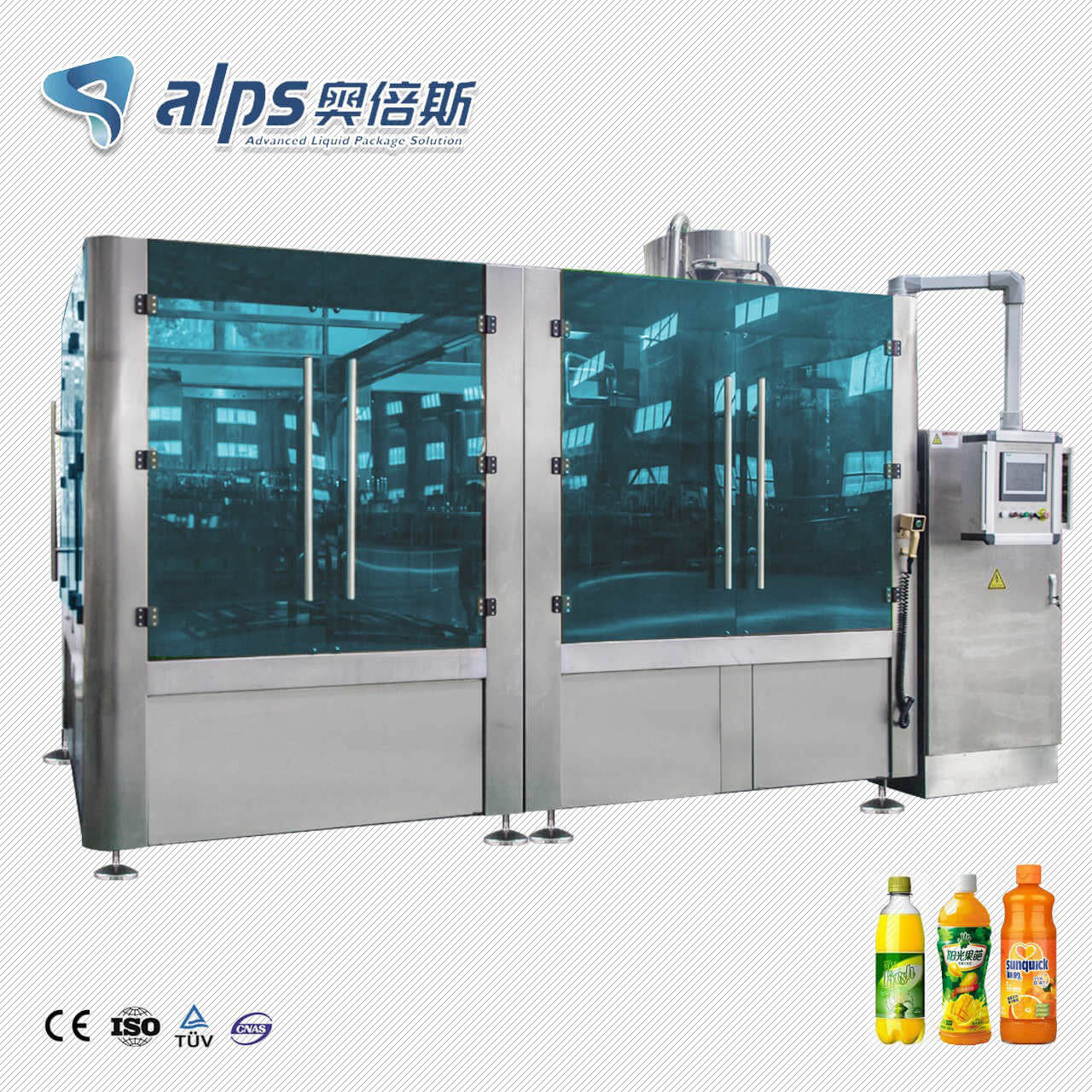
To begin with, the type of product you are filling is the most critical factor in selecting the right equipment. Different liquids and materials require different filling technologies to ensure accuracy and consistency. For example, low-viscosity liquids such as water or juice are best suited for gravity or overflow filling systems. These methods rely on natural flow and are widely used in beverage filling machines where speed and cost efficiency are priorities.
On the other hand, high-viscosity products like sauces, creams, or gels require piston or pump filling machines. These systems provide better control and precision, reducing waste and ensuring consistent fill volumes. In addition, products containing particles, foam, or sensitive ingredients also need special consideration. Choosing the correct filling method at this stage helps avoid production issues later and ensures the final product meets quality standards.
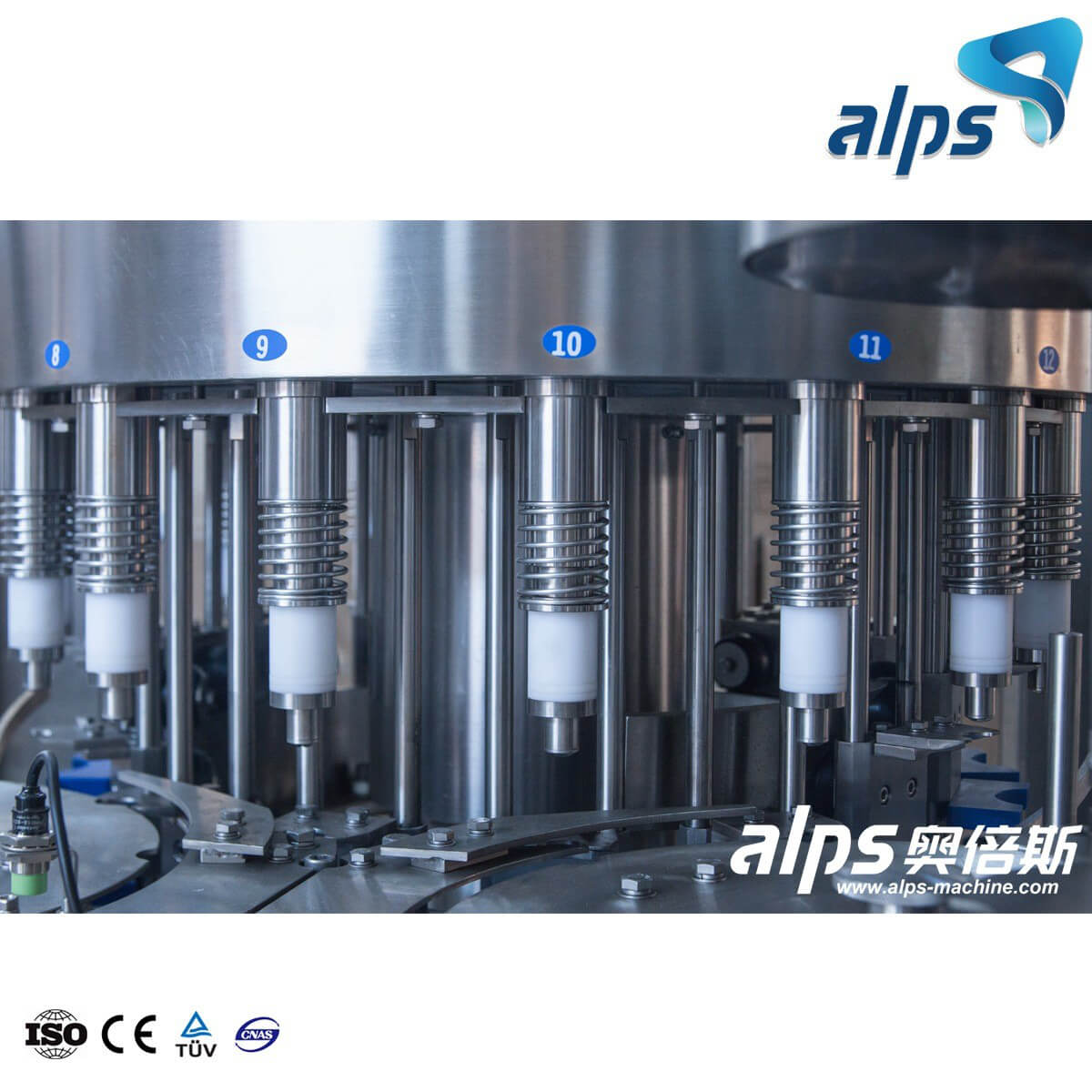
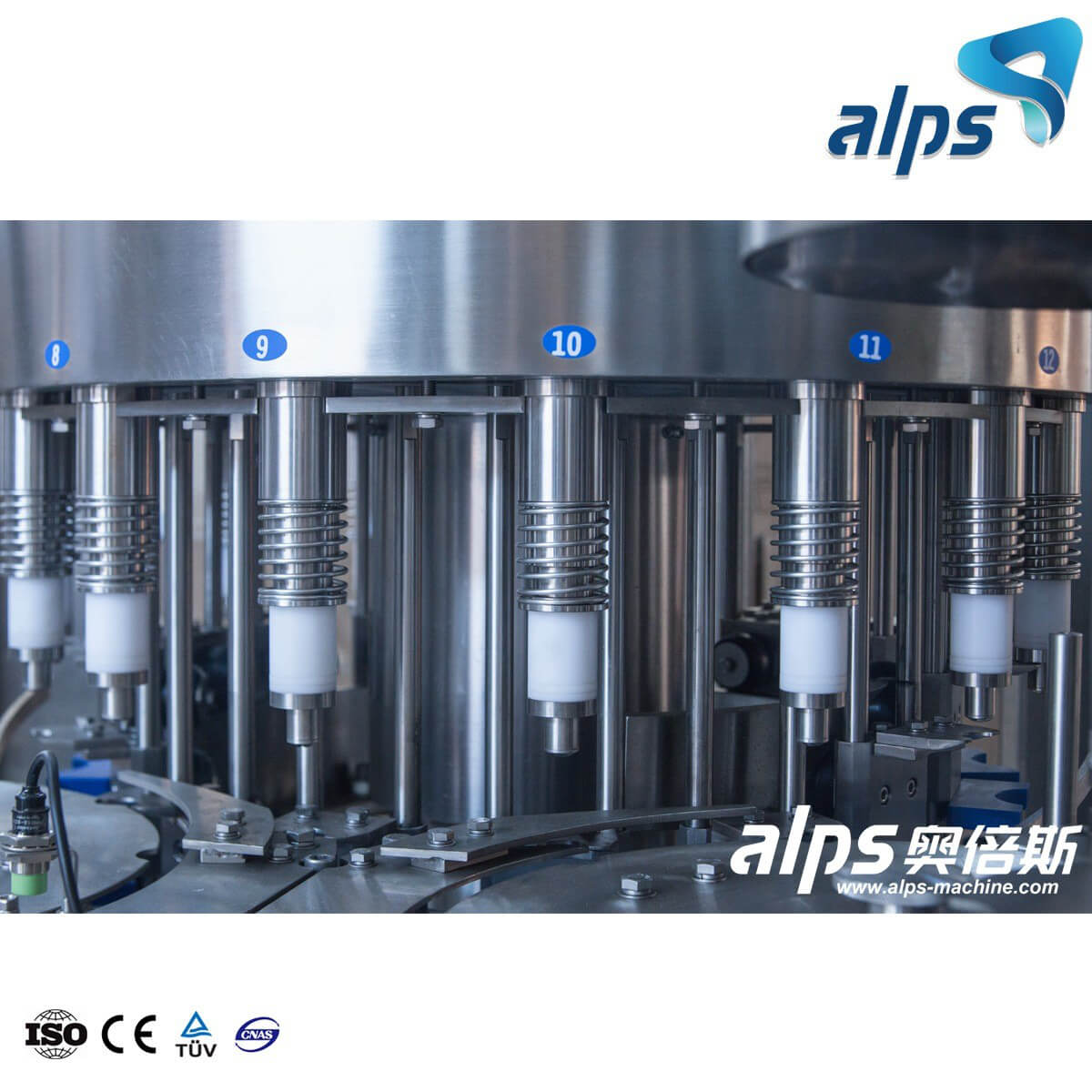
Building on product characteristics, the next step is to select the appropriate filling method. Each type of liquid filling machine is designed for specific applications. Overflow fillers are ideal when visual consistency is important, especially for retail products displayed on shelves. They ensure that each container appears evenly filled, even if there are slight volume variations.
Piston fillers are better suited for applications requiring high accuracy, particularly for high-value or thick products. These machines minimize waste and provide precise control over fill volume. Meanwhile, gravity fillers offer a simple and cost-effective solution for free-flowing liquids without particles. They are commonly used in basic water filling systems or similar applications.
Pump fillers, in contrast, provide flexibility and can handle a wide range of viscosities. They are especially useful for businesses that frequently switch between different products or container types. By matching the filling method to your product and packaging needs, you can significantly improve both efficiency and product consistency.
Once the filling method is clear, it is important to determine your required production capacity. This decision directly influences the level of automation you should choose. Manual filling machines are suitable for small-scale operations or startups with low output requirements. However, as production demand increases, manual systems can quickly become inefficient.
Semi-automatic machines offer a balance between cost and performance. They increase output while still allowing some level of operator control, making them suitable for medium-sized businesses. Fully automatic filling machines, on the other hand, are designed for high-volume production lines. These systems integrate filling, capping, labeling, and conveying processes, significantly improving speed, consistency, and labor efficiency.
In general, higher automation leads to better efficiency but also requires a higher initial investment. Therefore, businesses should choose a solution that matches both current production needs and future growth plans.
In addition to the product itself, the shape and size of containers also play an important role in machine selection. For instance, narrow-neck bottles require precise filling nozzles, while wide-mouth containers allow faster filling speeds. Irregular shapes may require customized handling systems to maintain accuracy.
Moreover, if your production line handles multiple container types, flexibility becomes essential. Machines with quick changeover features can reduce downtime and improve overall efficiency. By carefully evaluating container requirements, businesses can avoid compatibility issues and ensure smooth operation across different packaging formats.
Another key consideration is how well the new filling equipment integrates with your existing systems. In many cases, filling machines are only one part of a larger production line that includes labeling machines, packing machines, and conveyor systems. If these components are not compatible, it can lead to workflow disruptions and increased maintenance costs.
Therefore, it is important to choose equipment that supports seamless integration. Conducting tests such as Factory Acceptance Tests (FAT) can help verify performance and compatibility before installation. A well-integrated system not only improves efficiency but also ensures consistent product quality across the entire production process.
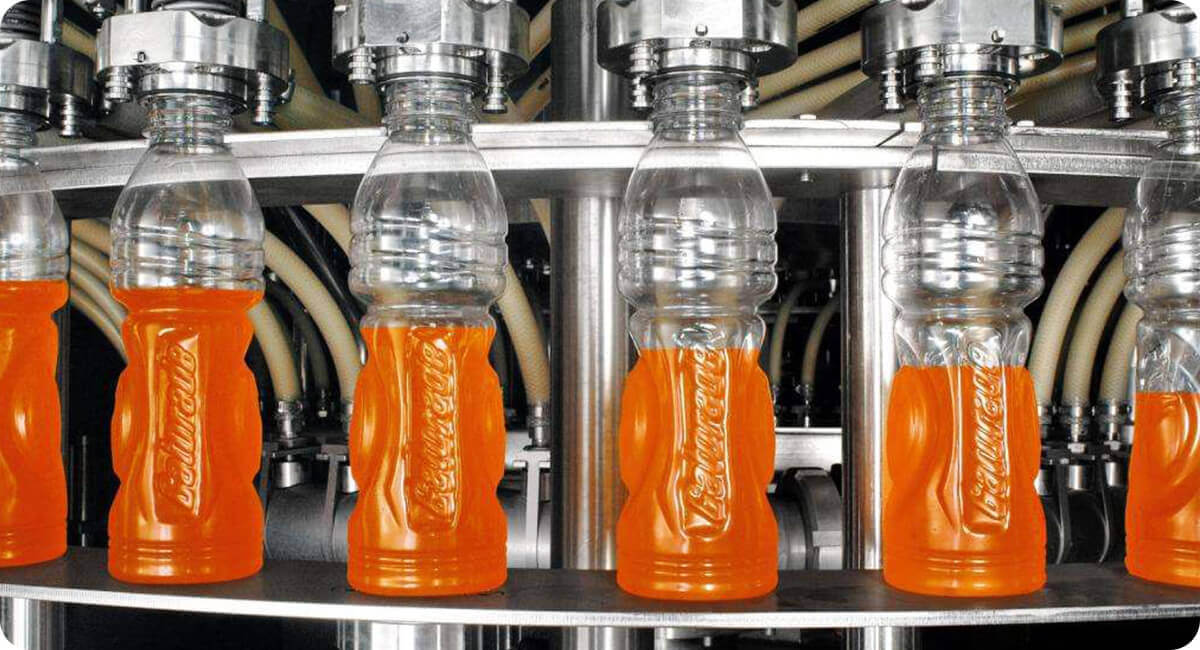
Finally, long-term performance depends heavily on machine reliability and ease of use. A reliable filling machine reduces the risk of unexpected downtime, which can disrupt production schedules and increase operational costs. At the same time, user-friendly interfaces and ergonomic designs make it easier for operators to manage daily tasks.
It is also beneficial to work with manufacturers that offer complete turnkey solutions. This includes not only the filling machine itself but also support for system design, installation, and after-sales service. By prioritizing reliability and usability, businesses can achieve stable production and reduce long-term maintenance challenges.
In summary, choosing the right filling machine requires a comprehensive evaluation of product characteristics, filling methods, production capacity, container requirements, and system compatibility. Rather than focusing on a single factor, businesses should take a balanced approach to ensure long-term efficiency and scalability.
At Alps Machine, we specialize in providing complete beverage filling and packaging solutions, including water treatment systems, filling machines, labeling machines, and turnkey production lines. With strong engineering support and customized design capabilities, we help customers build efficient and reliable production systems tailored to their needs.
If you are planning to upgrade or build a new production line, feel free to contact Alps Machine for professional guidance and customized filling solutions.


By continuing to use the site you agree to our privacy policy Terms and Conditions.