Advanced Liquid Package Solution
Any question?
Get in touch


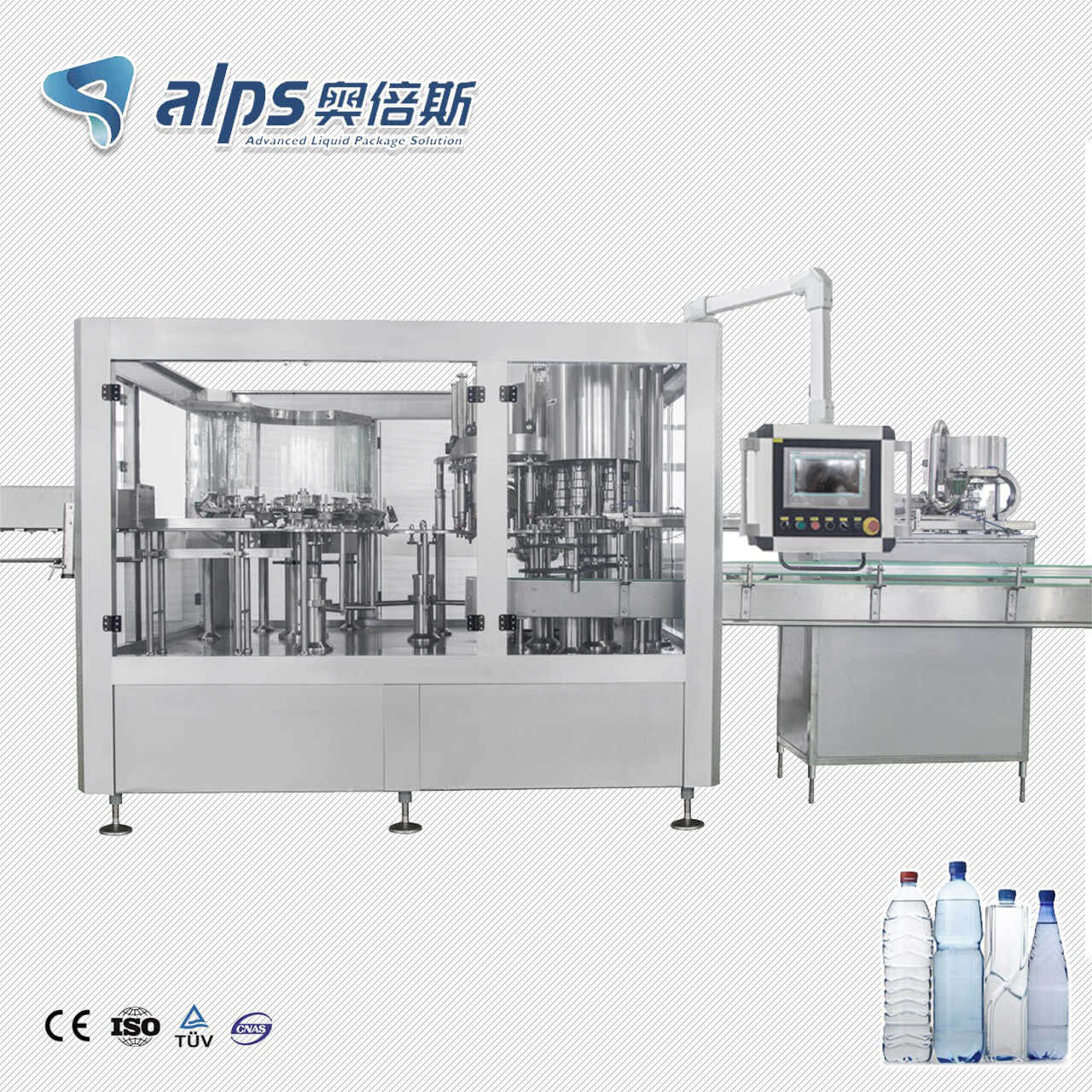
In today’s fast-paced beverage industry, filling machines play a critical role in determining product quality, line efficiency, and production output. Whether it’s bottled water, juice, soft drinks, or functional beverages, manufacturers rely heavily on their filling equipment to ensure consistent volume, hygiene, and overall system reliability. However, even the most advanced beverage filling machines can encounter problems after long-term operation or improper maintenance.
This article explores the most common problems found in beverage filling machines—and more importantly, provides practical solutions to help operators, engineers, and production managers solve them quickly. By understanding the root causes of each issue, businesses can reduce downtime, save on repair costs, and keep the production line running smoothly.
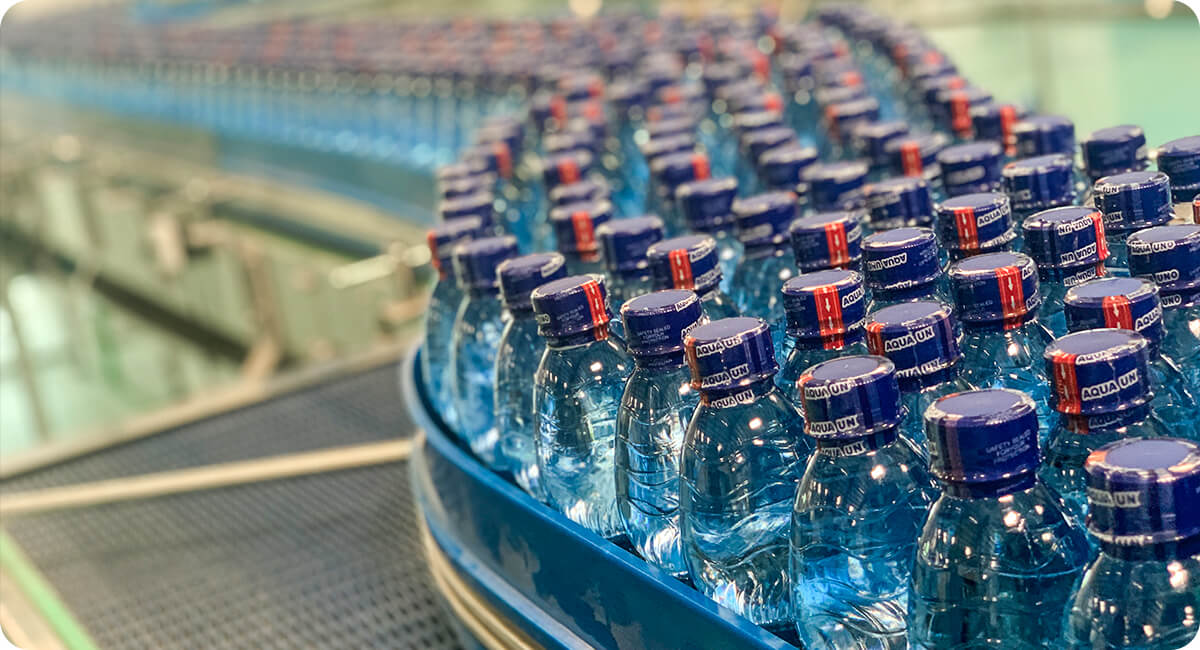
One of the most frequently reported issues in beverage manufacturing is inconsistency in filling volume. Overfilling leads to product loss and higher material costs, while underfilling results in rejection of finished goods, compliance issues, and customer complaints.
Common Symptoms:
Bottles appear visibly uneven after filling
Frequent under- or over-filled product warnings
High reject rates during quality control inspections
Possible Causes:
Incorrect calibration of filling valves or flow meters
Wear or damage to pistons, seals, or gaskets
Air pressure fluctuations affecting filling precision
Changes in beverage viscosity due to temperature variations
How to Fix It
Recalibrate filling systems: Flow meters and valves should be checked regularly for accuracy.
Inspect mechanical components: Replace worn seals, pistons, and rubber parts that affect liquid flow.
Stabilize air pressure: Use a reliable, regulated compressed air system.
Adjust for product properties: Ensure settings correspond with beverage temperature and viscosity.
Routine calibration is key to long-term accuracy. Many operators find that consistent weekly or monthly checks dramatically reduce errors.
Bottle jams interrupt production, cause downtime, and may even damage containers or machine components. This problem is especially common during high-speed filling.
Common Symptoms
Bottles tipping over before entering the filling station
Bottles getting stuck along guide rails
Conveyor stopping due to overload protection
Possible Causes
Conveyor speed not synchronized with filler speed
Inconsistent bottle quality (uneven height, thin walls, deformed shapes)
Misaligned guide rails or infeed screws
Slippery conveyor surfaces due to spilled liquid
How to Fix It
Synchronize machine speeds: The speed of conveyors, rinsers, and filling machines must be harmonized.
Improve bottle quality control: Ensure bottles come from reliable suppliers with stable tolerance levels.
Readjust guide rails: Proper spacing prevents tipping and friction.
Keep conveyors clean: Residue can cause unstable moving conditions.
A well-optimized line layout and proper conveyor lubrication can significantly reduce operational disruptions.
Foaming is a common issue in filling carbonated beverages, juices, dairy drinks, and even some teas. Excess foam slows production and leads to inconsistent fill levels.
Common Symptoms
Foam spills over the bottle
Filling stops due to foam-detection sensors
Bottles exiting the filler with excess bubbles
Possible Causes
High filling speed creating turbulence
Improper filling method for carbonated beverages
Beverage temperature too high
Nozzle design causing splashing
How to Fix It
Reduce filling speed: Slowing the fill rate can significantly reduce turbulence.
Use counter-pressure filling: Essential for beer, soda, and sparkling beverages.
Lower product temperature: Cold beverages foam less.
Optimize nozzles: Anti-foam or laminar-flow nozzles can guide liquid gently.
Addressing foam-related problems helps maintain accuracy, reduce waste, and speed up the line.
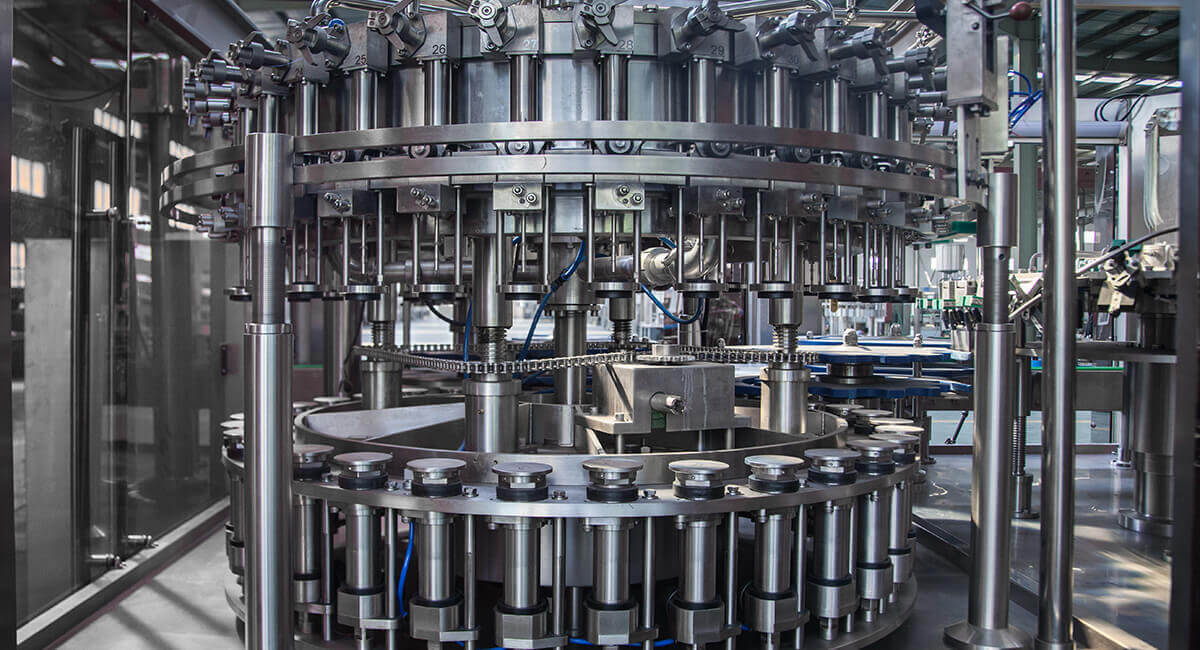
When a beverage filling machine runs below its rated capacity or shuts down frequently, production efficiency suffers. This can be caused by mechanical issues, poor maintenance, or improper configuration.
Common Symptoms
Filler unable to reach the expected bottles-per-hour rate
Sudden stoppages followed by manual reset
Vibrations or unusual noise from mechanical components
Possible Causes
Poor lubrication of moving parts
Sensor blockage or alignment issues
Faulty PLC programs or electrical wiring
Worn mechanical parts such as bearings, belts, or gears
How to Fix It
Follow a lubrication schedule: Bearings, chains, and cams need routine greasing.
Inspect sensors: Clean or replace sensors to ensure proper signal feedback.
Check PLC systems: Loose wiring or outdated software can disrupt operation.
Replace worn components: Periodic inspection prevents unexpected breakdowns.
Preventive maintenance helps minimize downtime and prevents costlier repairs in the future.
Leakage is not only wasteful, but also a hygiene risk. Spills can damage equipment, make floors slippery, and affect bottle stability.
Common Symptoms
Droplets falling from nozzles
Wet floors or conveyors
Sticky residue around the filling station
Possible Causes
Worn or cracked filling nozzles
Loose pipe joints, clamps, or hoses
Damaged gaskets in valves or pumps
Excess pressure in the filling tank
How to Fix It
Replace leaking nozzles: Even minor cracks can cause continuous drips.
Tighten or replace pipes and fittings: Regular inspections catch loose connections.
Fix valve seals: Use high-quality, food-grade gaskets.
Monitor internal pressure: Keep it within the recommended range for the beverage type.
Leakage prevention contributes to both operational safety and product hygiene.
In the beverage industry, hygiene issues can lead to product spoilage, consumer health risks, and legal consequences. Food and beverage standards require strict control of microbial contamination.
Common Symptoms
Off-flavors or unusual odor in beverages
Unexpected microbial growth in lab tests
Build-up inside pipelines or tank walls
Possible Causes
Incomplete or ineffective CIP (Cleaning-in-Place)
Dead angles in piping where product accumulates
Gaskets or tubing made from non-food-grade materials
Residue left due to low water temperature or insufficient cleaning pressure
How to Fix It
Improve CIP settings: Optimize time, flow rate, water temperature, and cleaning chemicals.
Redesign pipelines: Avoid dead spots by using smooth curves and correct pipe diameters.
Upgrade seals: Food-grade, FDA-approved materials prevent microbial absorption.
Increase inspection frequency: Manual checks should supplement CIP cycles.
A hygienic design ensures consistent quality and supports regulatory compliance.
Many filling machine issues arise due to insufficient maintenance. A proactive approach can extend equipment lifespan, reduce downtime, and increase productivity.
Daily Tasks
Clean filling nozzles and contact surfaces
Check conveyor belts for dirt and misalignment
Inspect pressure gauges and product flow indicators
Weekly Tasks
Check lubrication points
Inspect seals and gaskets
Flush pipes with hot water if required
Monthly Tasks
Review machine calibration
Test PLC functions and safety systems
Check wear parts such as bearings, valves, and O-rings
Additional Recommendations
Maintain a spare parts inventory (especially nozzles, seals, and sensors)
Train operators to identify early warning signs
Keep production logs to track performance and potential issues
Good maintenance habits help beverage producers avoid costly downtime.
Some issues require expert intervention, especially when related to electrical, software, or structural components of the machine.
Call a technician if:
PLC or electrical failures occur repeatedly
There are complex mechanical problems beyond operator skill
Major parts (motors, pumps, drives) require replacement
You’re planning to upgrade or reconfigure your production line
Professional service ensures accurate diagnostics and reduces the risk of further damage.
Beverage filling machines are essential to modern beverage production, but like all industrial equipment, they require proper operation, maintenance, and troubleshooting. By understanding common problems—such as inaccurate filling, bottle jams, foaming, downtime, leakage, and hygiene issues—manufacturers can take immediate action to keep their production lines running at peak efficiency.
Whether you operate a small bottling plant or a large-scale beverage factory, early detection, routine maintenance, and timely repair are the keys to ensuring smooth operation and consistent product quality. With the right knowledge and technical support, beverage producers can minimize downtime, reduce waste, and improve overall profitability.
For reliable beverage filling solutions and professional support, many global manufacturers continue to trust ALPS machine.


By continuing to use the site you agree to our privacy policy Terms and Conditions.