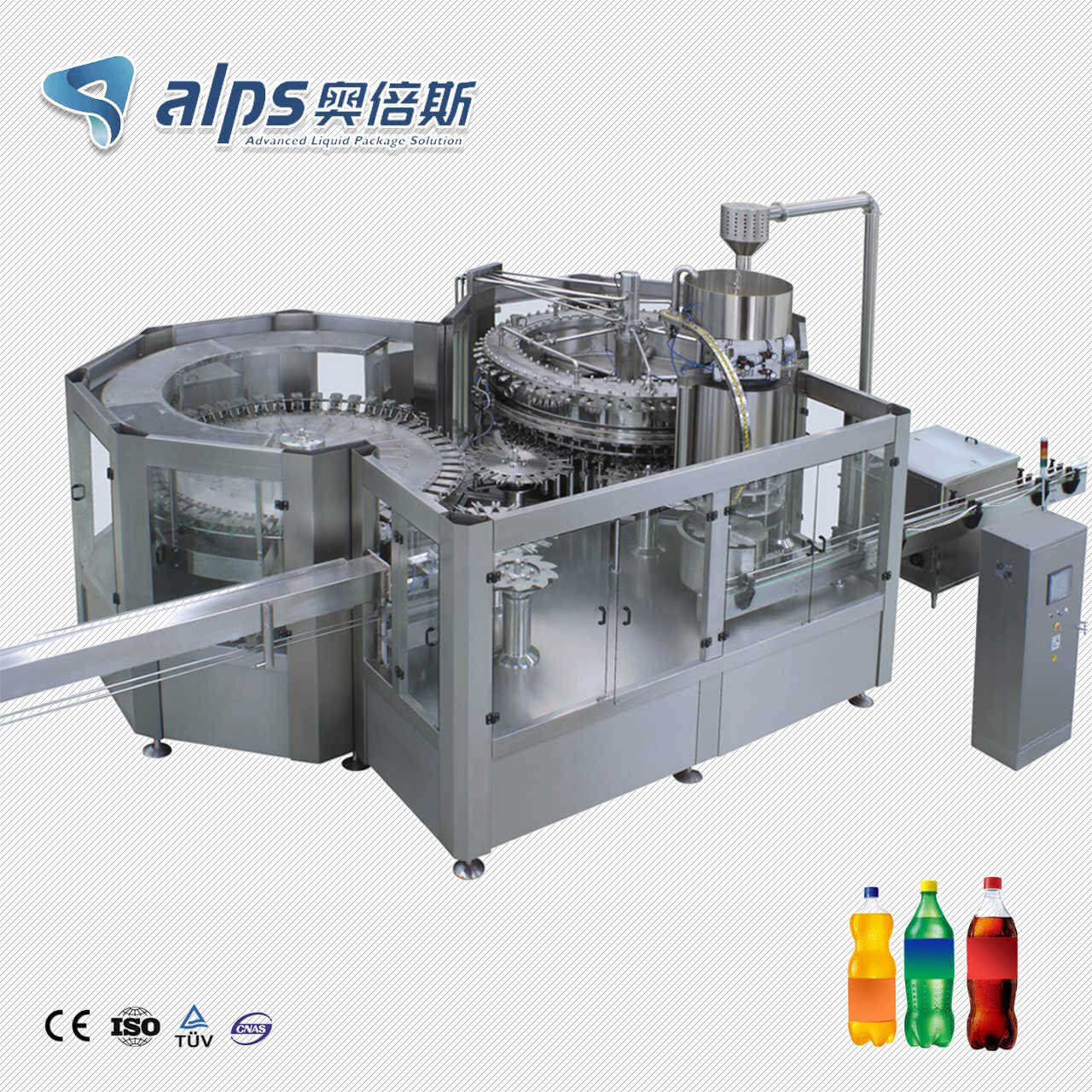
Advanced Liquid Package Solution
Any question?
Get in touch


Maintaining carbonation is one of the most critical quality factors in carbonated soft drink (CSD) production. Consumers expect a refreshing bite, strong effervescence, and long-lasting bubbles—qualities that depend entirely on the beverage’s CO₂ content. However, carbonation is highly sensitive and can be easily lost during the filling process if not carefully controlled.
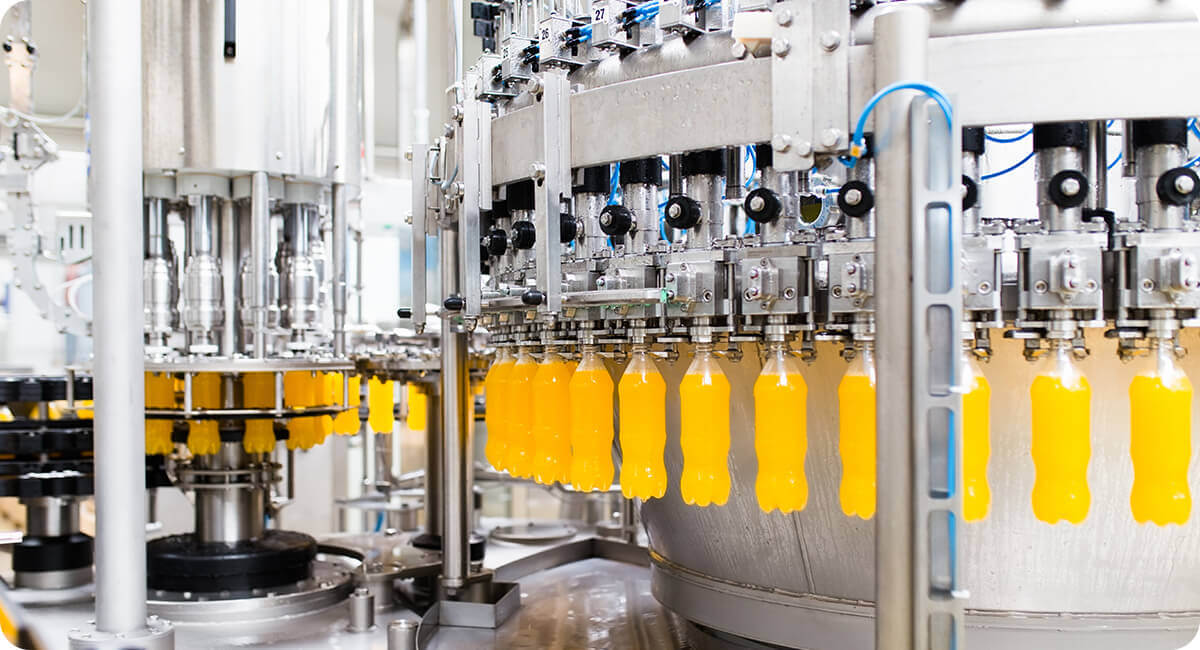
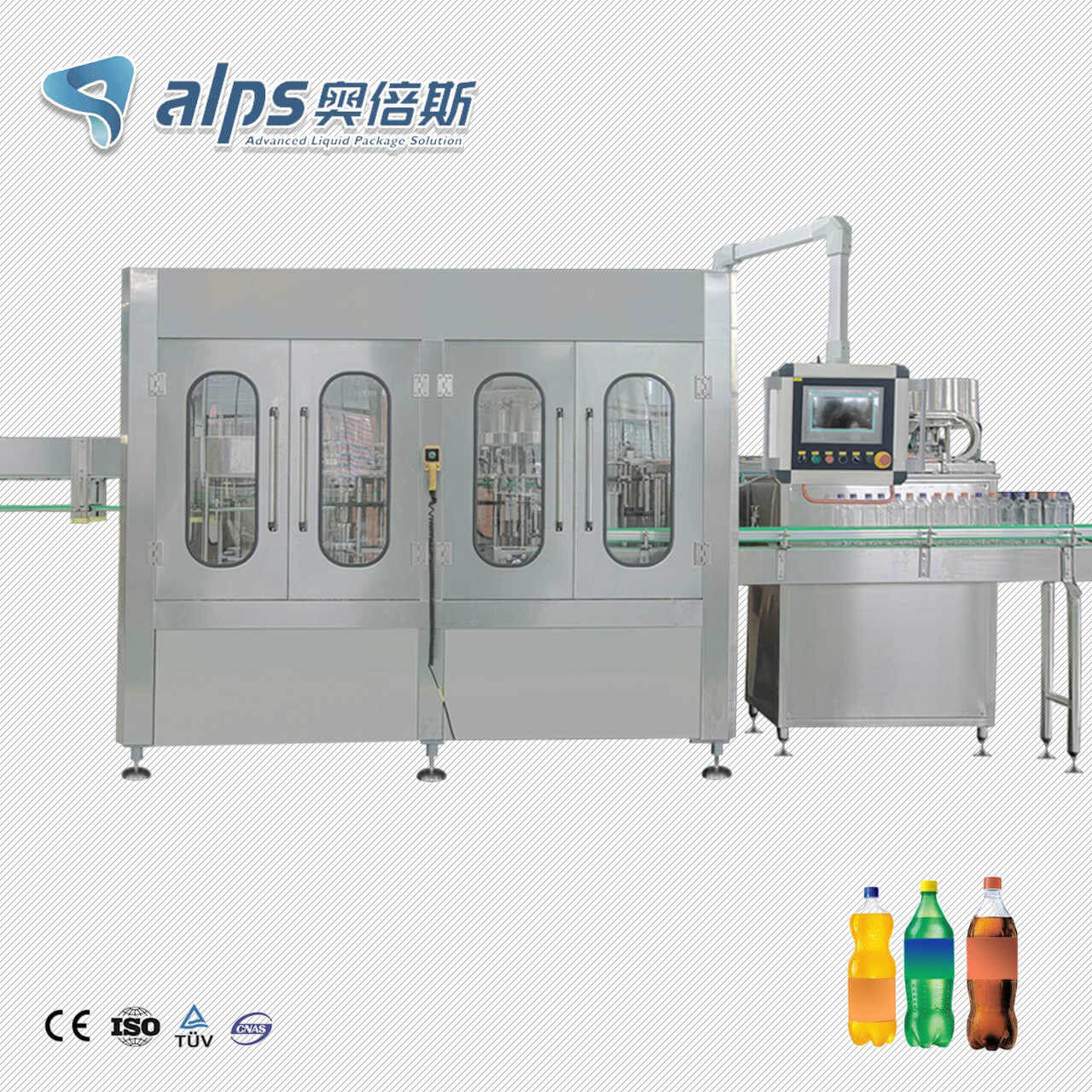
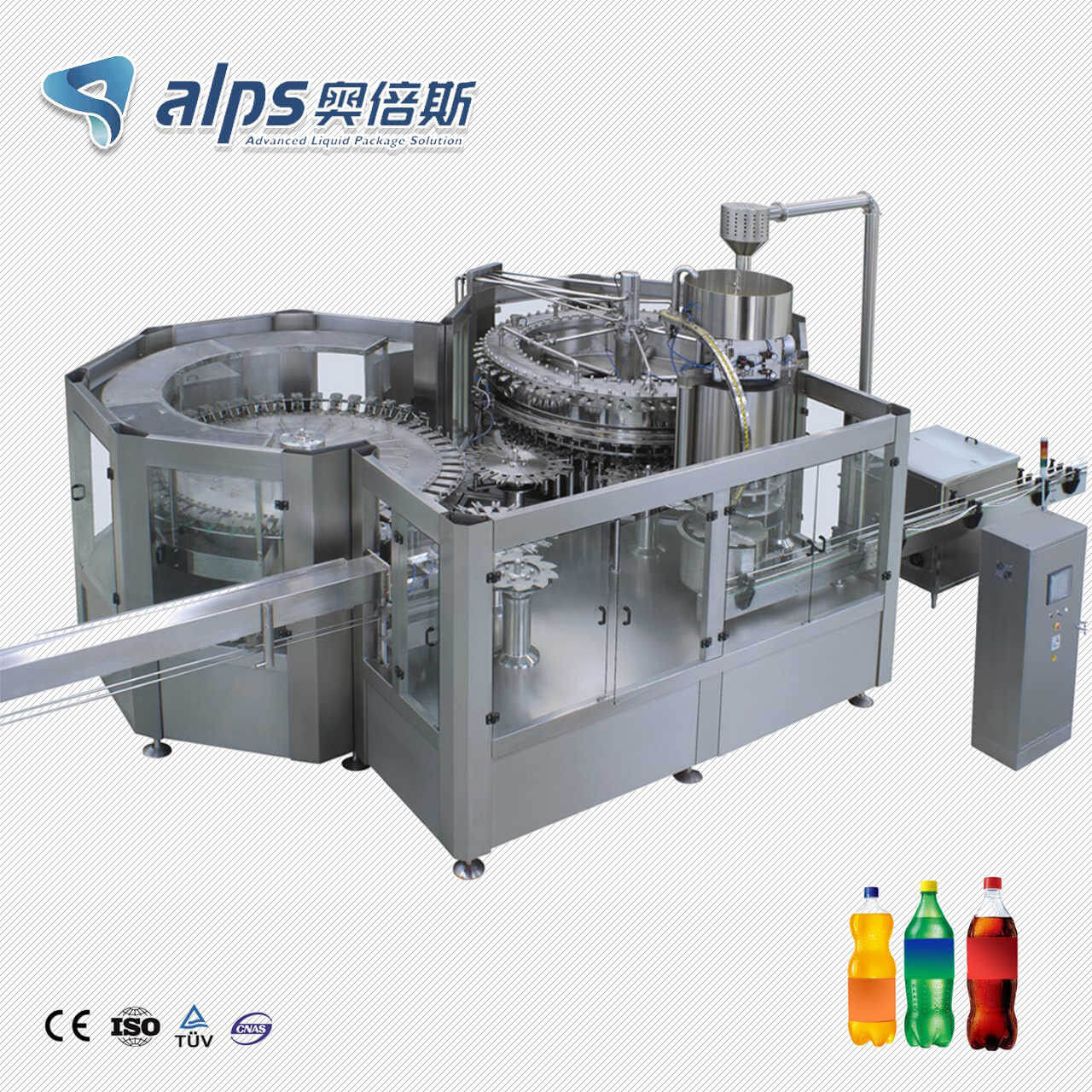
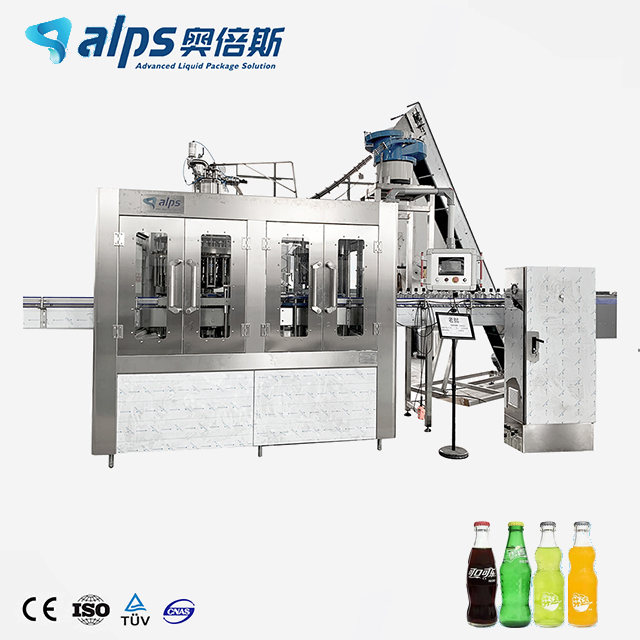
This is why modern CSD filling machines are engineered with advanced technologies to ensure that CO₂ levels remain stable from the moment the drink enters the filler to the instant the container is sealed. In this article, we explore how carbonated soft drink filling machines preserve carbonation, the science behind CO₂ retention, and the machine features that make it possible.
Before exploring machine technology, it is important to understand how carbonation behaves.
Carbonation works on the simple scientific principle known as Henry’s Law, which states that the amount of CO₂ dissolved in a liquid is dependent on:
Pressure: Higher pressure keeps CO₂ inside the beverage.
Temperature: Lower temperatures allow the liquid to hold more CO₂.
Stability: Less turbulence means less gas escapes.
If pressure drops or temperature increases during filling, CO₂ will rapidly escape, causing foaming, inconsistent carbonation, and product loss.
Pressure fluctuations
High product temperature
Exposure to oxygen
Sudden depressurization
Excessive turbulence or splashing
These risks are exactly what modern CSD filling machines are designed to eliminate.
The heart of carbonation retention lies in counter-pressure filling, the industry standard for CSD, beer, sparkling beverages, and energy drinks.
It is a process where the inside of the container is pressurized with CO₂ before and during filling. This equalizes pressure and prevents the product from degassing.
Container Pre-Evacuation
Air is removed from the can or bottle, reducing oxygen pickup and minimizing foaming.
CO₂ Pressurization
The container is flooded and pressurized with CO₂ to match the product tank.
Equal-Pressure Filling
Filling begins only when the pressure inside the container equals the pressure in the filler bowl.
This prevents any violent CO₂ breakout.
Controlled Snifting and Closure
After filling, pressure is released slowly before capping/seaming, so the beverage remains stable.
This sequence ensures that the CO₂ dissolved in the liquid stays locked inside throughout the filling process.
Every part of a CSD filling machine has a purpose—most of them designed specifically to protect carbonation.
This is one of the most effective ways to reduce dissolved oxygen and prevent foam.
Removes up to 90–95% of oxygen
Replaces remaining air with CO₂
Creates a stable pressurized environment
This step avoids harmful reactions between oxygen and CO₂.
These valves precisely regulate:
Product flow
Internal container pressure
Filling speed
High-quality counter-pressure valves enable laminar flow, meaning the beverage flows smoothly without being disturbed—helping preserve carbonation.
Modern CSD fillers use digital sensors to monitor:
Bowl pressure
CO₂ dome pressure
Valve-level pressure
Even slight fluctuations can cause CO₂ escape. Automated controls keep pressure constantly stable.
The filler bowl is kept at a controlled pressure higher than ambient pressure. It ensures:
CO₂ stays dissolved in the liquid
No foaming inside the tank
Smooth flow through the valves
Additionally, many machines use agitators or circulation pumps to maintain product consistency without disturbing carbonation.
After filling, these valves gently release pressure inside the container.
A sudden depressurization would cause violent foaming and loss of CO₂.
Good snifting systems:
Reduce pressure gradually
Prevent “gas shock” inside the beverage
Help ensure clean, foam-free sealing
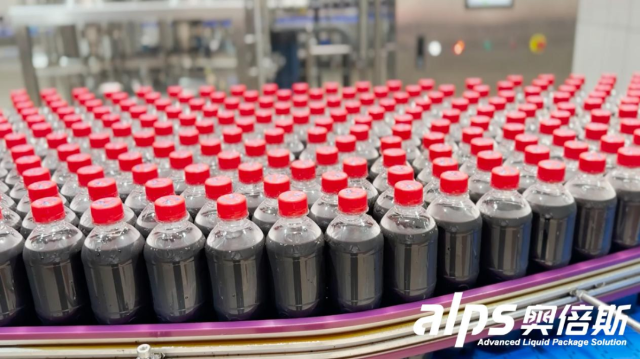
Temperature is one of the strongest factors affecting carbonation.
At lower temperatures, CO₂ remains tightly dissolved.
At this range:
The beverage holds more CO₂
Foaming is minimal
Filling speed increases
Container sealing becomes more stable
Cooling jackets around the product tank
Insulated stainless-steel tanks
Chillers integrated into the production line
Temperature sensors and alarms
Good thermal stability prevents CO₂ loss before filling even begins.
Turbulence is the enemy of carbonation.
When a beverage splashes or hits a container wall aggressively, CO₂ escapes instantly.
Bottom-up filling: Liquid enters gently from the bottom to avoid splashing.
Side-wall filling nozzles: Direct the liquid flow along the container wall.
Anti-foam nozzles: Shape liquid flow for low-shear entry.
Smooth piping and flow paths: Minimize friction and disturbance.
These designs ensure a calm, controlled filling process that retains CO₂ effectively.
Oxygen has a direct impact on carbonation stability.
It increases CO₂ loss and weakens the beverage’s flavor.
Double or triple pre-evacuation cycles
CO₂ purging of containers
Hermetically sealed filling environment
Close-coupled capping or seaming directly after filling
CO₂ remains stable longer
Shelf life increases
Flavor profile remains fresh
Foam behavior becomes more predictable
Top CSD producers aim for extremely low TPO values, and the right machine is key to achieving that.
Not all filling machines are suitable for highly carbonated beverages. When choosing a machine, manufacturers should look for:
Counter-pressure filling system
Strong and stable pressure management
Precision filling valves
Low-oxygen design
Excellent cooling and insulation
Seamless filler–seamer synchronization
Filling speed
Level of automation
Compatibility with PET, cans, or glass
Maintenance ease
Availability of spare parts
A properly selected machine not only preserves carbonation but boosts production efficiency and reduces product waste.
Maintaining CO₂ levels in carbonated soft drink production is a complex process influenced by pressure, temperature, oxygen levels, turbulence, and machine design. Modern CSD filling machines maintain carbonation by using counter-pressure filling, CO₂ purging, precise valve control, temperature stability, and a carefully engineered filling environment.
By understanding how carbonation behaves and choosing the right equipment, beverage manufacturers can achieve consistent product quality, longer shelf life, and optimal consumer satisfaction.
For brands seeking reliable, high-performance CSD filling solutions, professional CSD filling technology—such as those provided by ALPS machine—is essential for preserving carbonation and ensuring production efficiency.


By continuing to use the site you agree to our privacy policy Terms and Conditions.