Advanced Liquid Package Solution
Any question?
Get in touch


Choosing the right can filling machine is one of the most critical decisions for any beverage manufacturer. Whether you are producing carbonated drinks, fruit juices, beer, energy drinks, or plant-based beverages, the type of filling machine you select directly affects product quality, production efficiency, and long-term operational costs. Each beverage has its own viscosity, carbonation level, acidity, foam behavior, and microbial risk—meaning a filling machine must be carefully matched to these characteristics.
This article explains how different beverage types influence filling machine requirements, introduces common can filling machine technologies, compares them for various applications, and offers practical tips to help you make the best purchasing decision for your beverage production line.
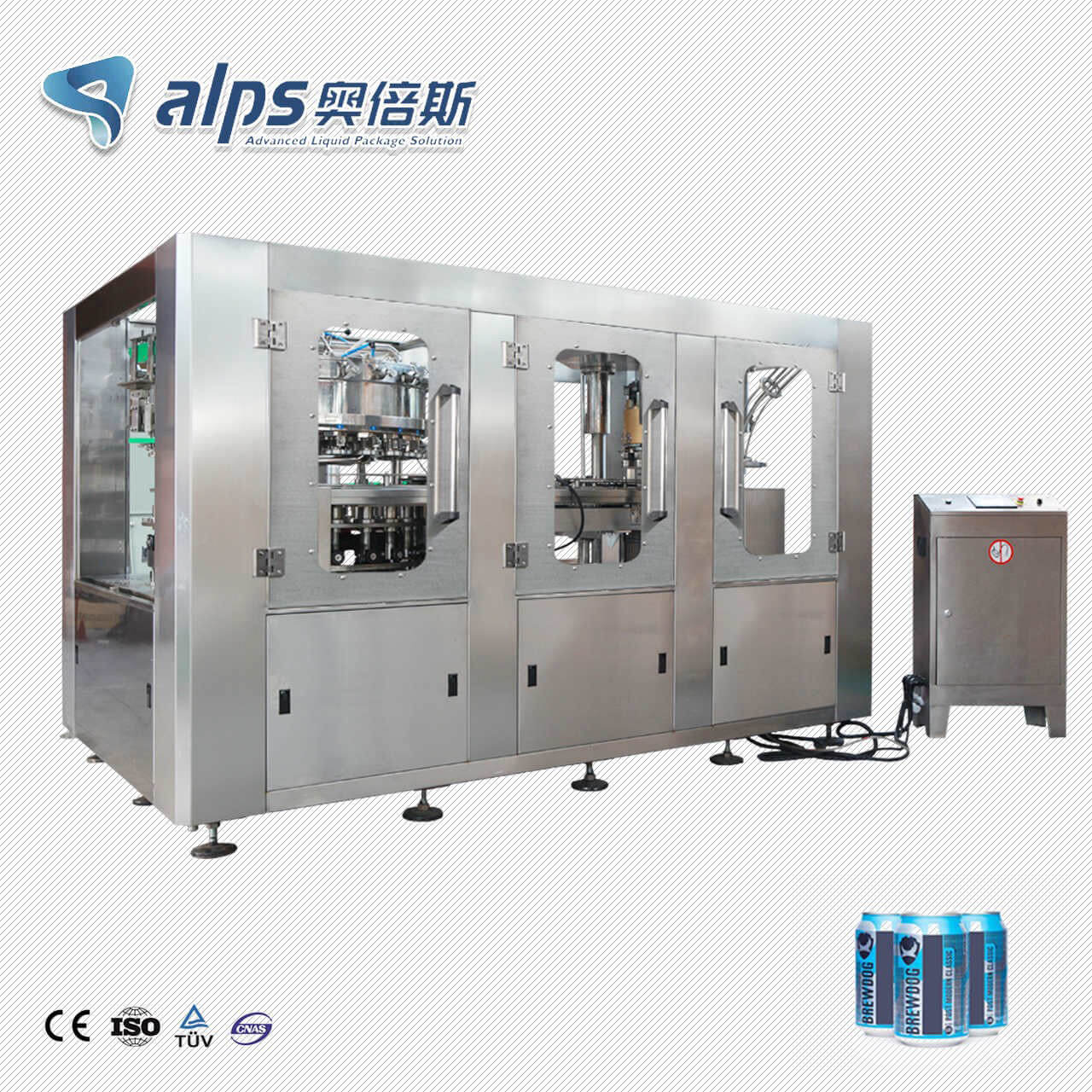
A can filling machine does more than simply dispense liquid into a can. The correct system ensures:
Proper fill accuracy to avoid product giveaway or underfilling
Hygiene and safety compliance, especially for sensitive beverages
High production efficiency with minimal downtime
Flavor retention by preventing oxygen ingress
Compatibility with your product’s characteristics, such as carbonation, pulp content, or viscosity
Selecting the wrong can filling system results in wasted raw materials, frequent maintenance, lower shelf life, and reduced consumer satisfaction. That’s why choosing the right can filling machine is fundamental to beverage manufacturing success.
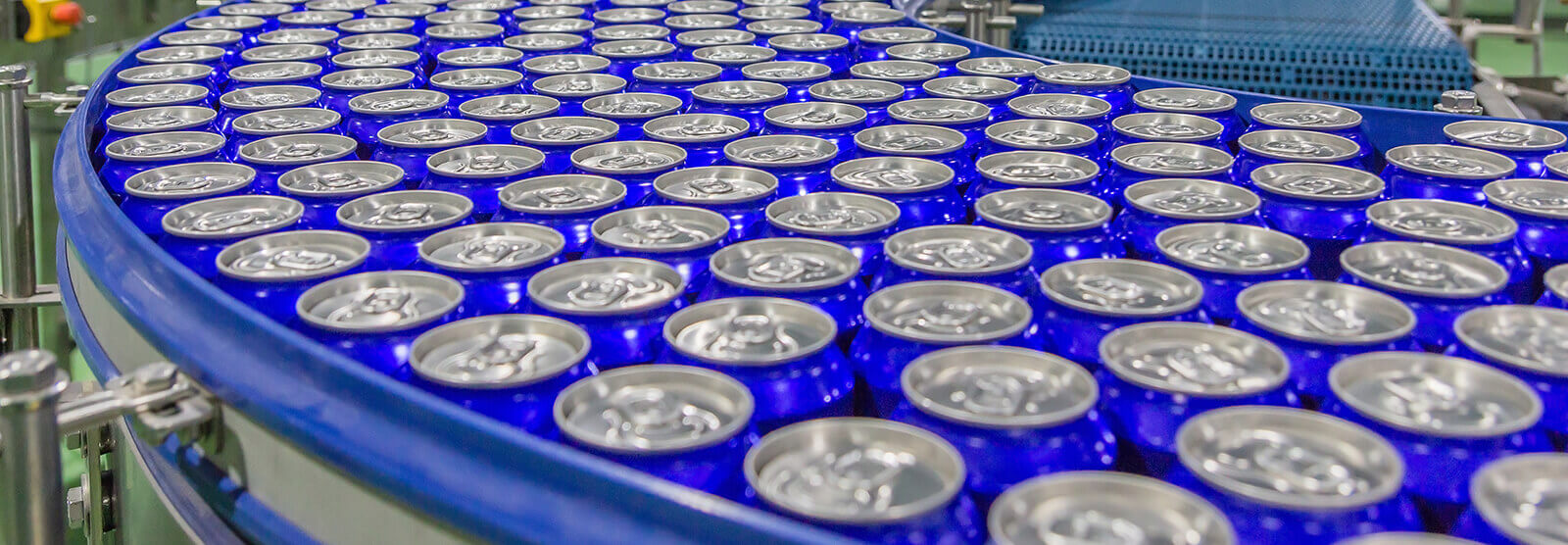
Before selecting equipment, you must identify the specific requirements of your beverage. Here are the most common beverage categories and the factors that impact your filling machine choice.
Carbonated products contain dissolved CO₂, which creates pressure inside the container and causes foaming during filling. The machine must:
Maintain pressure throughout filling
Reduce turbulence to prevent foaming
Minimize oxygen pickup
Ensure reliable seaming under pressure
Carbonated products require counter-pressure can filling machines, which safely handle pressurized liquids and preserve carbonation.
Still beverages generally have:
Higher sensitivity to microbial contamination
No internal pressure
Lower filling complexity
These products can be filled using gravity, volumetric, or hot-fill machines depending on their temperature and viscosity. Shelf-stable juices or teas may require hot filling, while cold-fill options require careful sanitation.
Juices containing pulp or fruit chunks pose unique challenges:
Higher viscosity
Uneven particulate distribution
Risk of clogging small valves
Need for wide-diameter filling valves
Possible need for mixing tanks to keep pulp in suspension
This product type often requires piston filling, rotary volumetric filling, or positive displacement pumps designed for large particulates.
These products require machines that can handle:
Thick textures
Fibers or added nutrients
Stirring to prevent sedimentation
Temperature-sensitive ingredients
A servo piston filler or rotary volumetric filler is typically used for precise dosing.
Alcoholic products may be carbonated or still. Requirements include:
Oxygen control to protect flavor
Foam management
High hygiene standards to prevent off-flavors
Beer requires counter-pressure technology, while still alcoholic drinks can use gravity or volumetric filling.
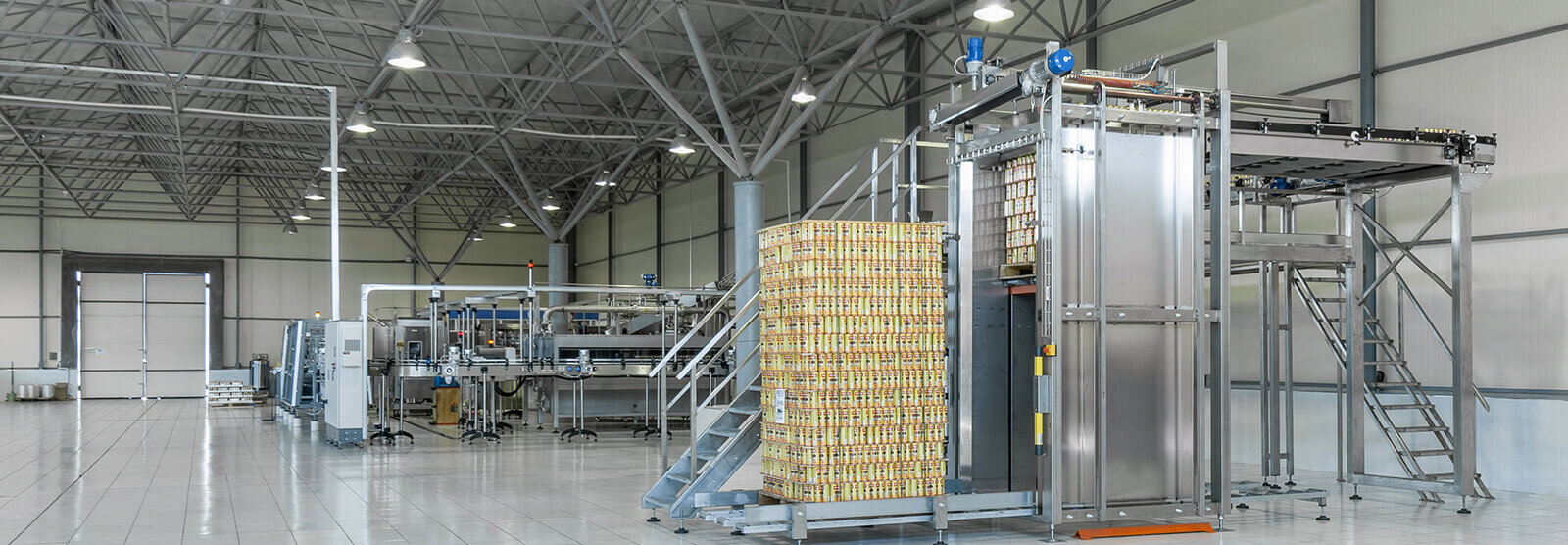
Selecting the right machine starts with understanding the most common filling technologies.
Ideal for:
Water
Tea
Juices without pulp
Clear beverages with low viscosity
Gravity fillers rely on the force of gravity to transfer liquid into the can. They are simple, cost-effective, and low maintenance but not suitable for high-viscosity or carbonated drinks.
Ideal for:
Carbonated soft drinks
Beer
Sparkling water
Kombucha
This system pressurizes the can before filling to match the internal pressure of the beverage. This prevents foaming, keeps CO₂ dissolved, and minimizes oxygen exposure. Counter-pressure systems are essential for carbonated beverages.
Ideal for:
Non-carbonated beverages
Flavored drinks
Nutritional beverages
Lightly viscous products
Volumetric fillers dispense a precise volume regardless of product density. They ensure excellent accuracy and consistency.
Ideal for:
Juices with pulp
Smoothies
Thick dairy drinks
Fruit concentrates
Piston fillers work by drawing a set amount of product into a cylinder and pushing it into the can. They handle particulates well and provide excellent control over thick products.
Ideal for:
Fruit or vegetable juices
Herbal teas
Beverages requiring pasteurization
Hot filling improves shelf life by filling products at high temperatures (85–95°C). Machines must be built with heat-resistant components.
Below is a practical comparison guide to help you quickly determine which type of machine best suits your product.
Beverage Type | Best Filling Machine Type | Key Reasons |
Carbonated drinks | Counter-pressure | Prevents foaming & CO₂ loss |
Beer | Counter-pressure | Very sensitive to oxygen |
Still water | Gravity filler | Low cost, high speed |
Juices (no pulp) | Gravity or volumetric | Good flow behavior |
Juices with pulp | Piston or rotary volumetric | Handles particulates |
Smoothies | Servo piston filler | High viscosity control |
Milk / dairy | Aseptic or volumetric | Requires strict hygiene |
Energy drinks | Counter-pressure or volumetric | Depends on carbonation |
Plant-based drinks | Volumetric or piston | Handles fiber & viscosity |
Cocktails (RTD) | Counter-pressure or gravity | Depending on carbonation |
Oxygen exposure directly affects:
Beer freshness
Juice shelf life
Flavor stability
Look for machines with:
Double pre-evacuation
CO₂ purging
Foam-control systems
If your beverage contains sugars, proteins, or pulp, improper hygiene can cause microbial issues.
Important hygiene features include:
CIP (Clean-in-Place) systems
AISI 316L stainless steel contact parts
Smooth internal surfaces
No dead angles or stagnant zones
Your machine should support:
Aluminum cans
Tinplate cans
Slim cans or sleek cans
Multiple size changeovers with minimal downtime
Your choice depends on production requirements:
Small scale: 500–2,000 CPH (cans per hour)
Medium scale: 3,000–12,000 CPH
Industrial scale: 15,000–60,000+ CPH
Higher speeds require advanced rotary filling systems.
A can filling line typically includes:
Depalletizer
Rinsing machine
Filling & seaming machine
Pasteurizer (optional)
Coding machine
Cartoning & palletizing
For efficiency, ensure compatibility between all components in your line.
Industry Experience and Specialization
Choose manufacturers with proven experience in your beverage segment. Carbonated beverage filling is vastly different from pulp-juice filling—expertise matters.
Customization Capability
Different beverages often require modified valves, pumps, temperature controls, or sanitation features. A good manufacturer should offer tailored solutions.
After-Sales Support and Spare Parts Availability
Key considerations:
Local service technicians
Fast spare parts delivery
Remote technical assistance
Training for operators
Certification and Compliance
Ensure the machine complies with:
CE
ISO
FDA food-contact standards
Local safety regulations
The best can filling machine is not determined by price or speed alone—it is determined by how well it matches the properties of your beverage. Carbonated drinks need counter-pressure systems, juices with pulp require piston or volumetric fillers, while ultra-clear beverages can use gravity machines.
By understanding your beverage characteristics, production goals, and operational environment, you can select equipment that ensures long-term performance, product safety, and consistent quality.
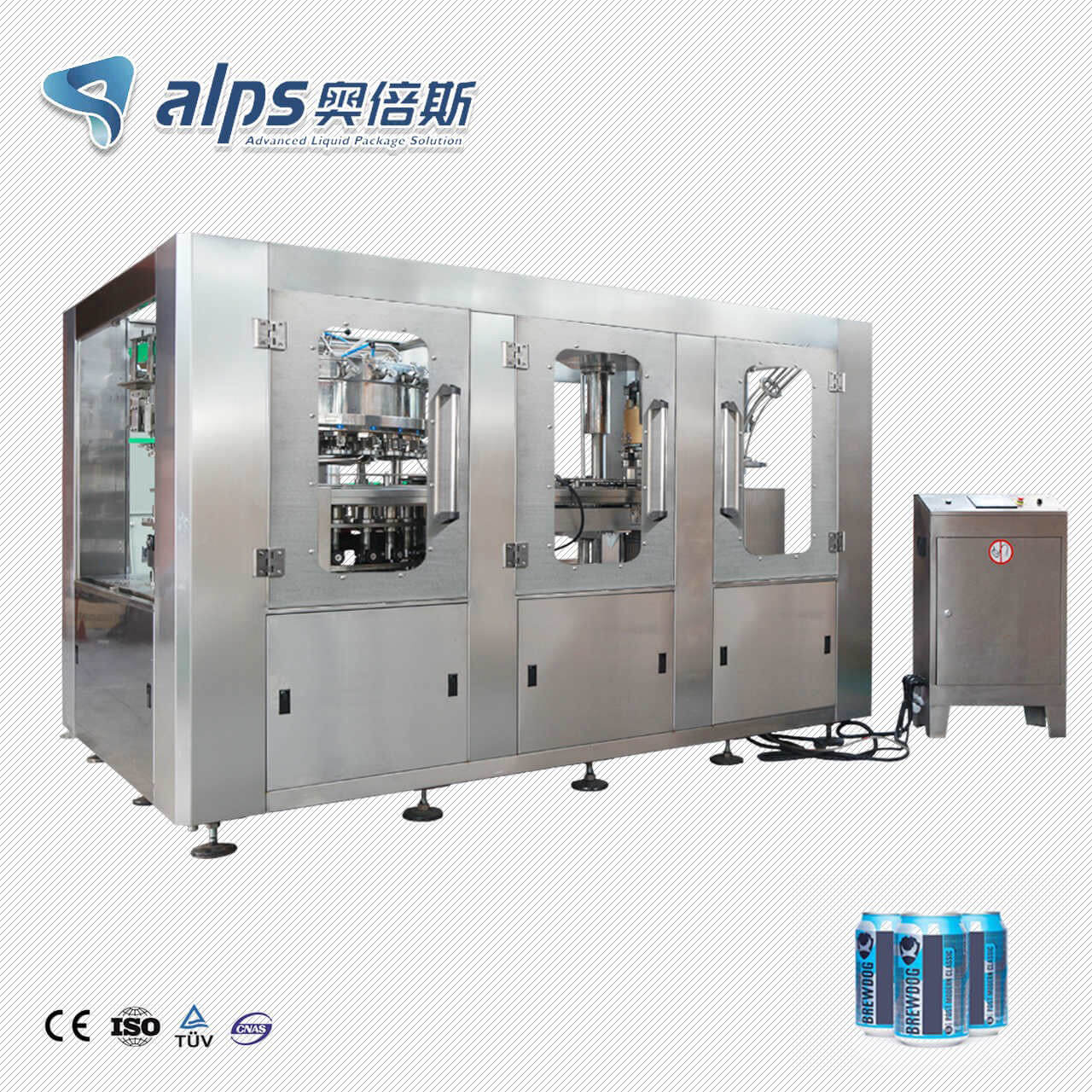
If you want a reliable partner for beverage canning solutions, ALPS Machine provides a complete range of customized can filling line designed for everything from still water to high-viscosity pulp beverages to carbonated drinks—helping brands maximize efficiency and product quality.


By continuing to use the site you agree to our privacy policy Terms and Conditions.