Advanced Liquid Package Solution
Any question?
Get in touch


In today’s highly competitive beverage market, manufacturing efficiency is not merely a cost-control measure—it is a cornerstone of quality, throughput, and long-term profitability. Whether you operate a mineral water bottling plant, a juice production facility, or a carbonated soft drink filling line, operational effectiveness directly affects your ability to meet market demand and sustain high product consistency. Optimizing the beverage filling line—from PET bottle blowing machines and rinsing systems to filling valves, capping heads, labeling equipment, and end-of-line packaging—ensures stable production, reduced downtime, and enhanced line integration.
This article explores practical and proven strategies to improve the efficiency of a beverage filling line, covering equipment selection, workflow optimization, maintenance, technology upgrades, and data-driven continuous improvement.
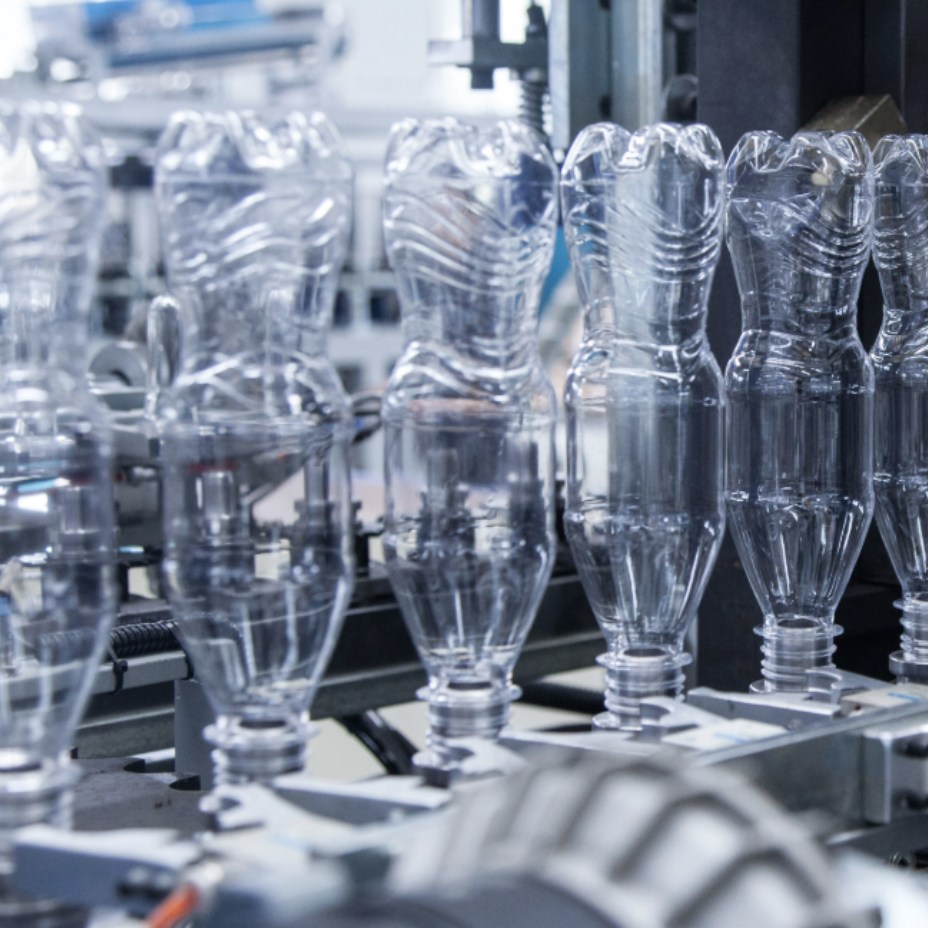
Efficiency within a beverage filling operation is typically measured using KPIs such as Overall Equipment Effectiveness (OEE), which evaluates availability, performance, and quality output. In a high-performing beverage filling machine—whether it is a mineral water filling machine, juice filling machine, or carbonated drink filling equipment—high OEE means consistent speed, minimal downtime, and minimal product loss.
Key metrics include:
Capacity utilization
Downtime rate
Product yield and wastage
Changeover duration
Reject rate and quality consistency
Inefficiency in beverage production often emerges from:
Mechanical wear on components such as filling valves, capping heads, O-rings, and bearings.
Inadequate operator training and inconsistent standard operating procedures.
Poor production scheduling and insufficient preventive maintenance.
Inconsistent packaging materials, resulting in bottle jams or label misfeeds.
Poor integration between upstream and downstream equipment (e.g., PET bottle blowing machine → filling machine → labeling machine → packing machine).
Understanding these inefficiencies is the first step toward establishing a more productive filling line.
Efficiency begins with selecting equipment aligned with the specific product characteristics and packaging requirements. For example:
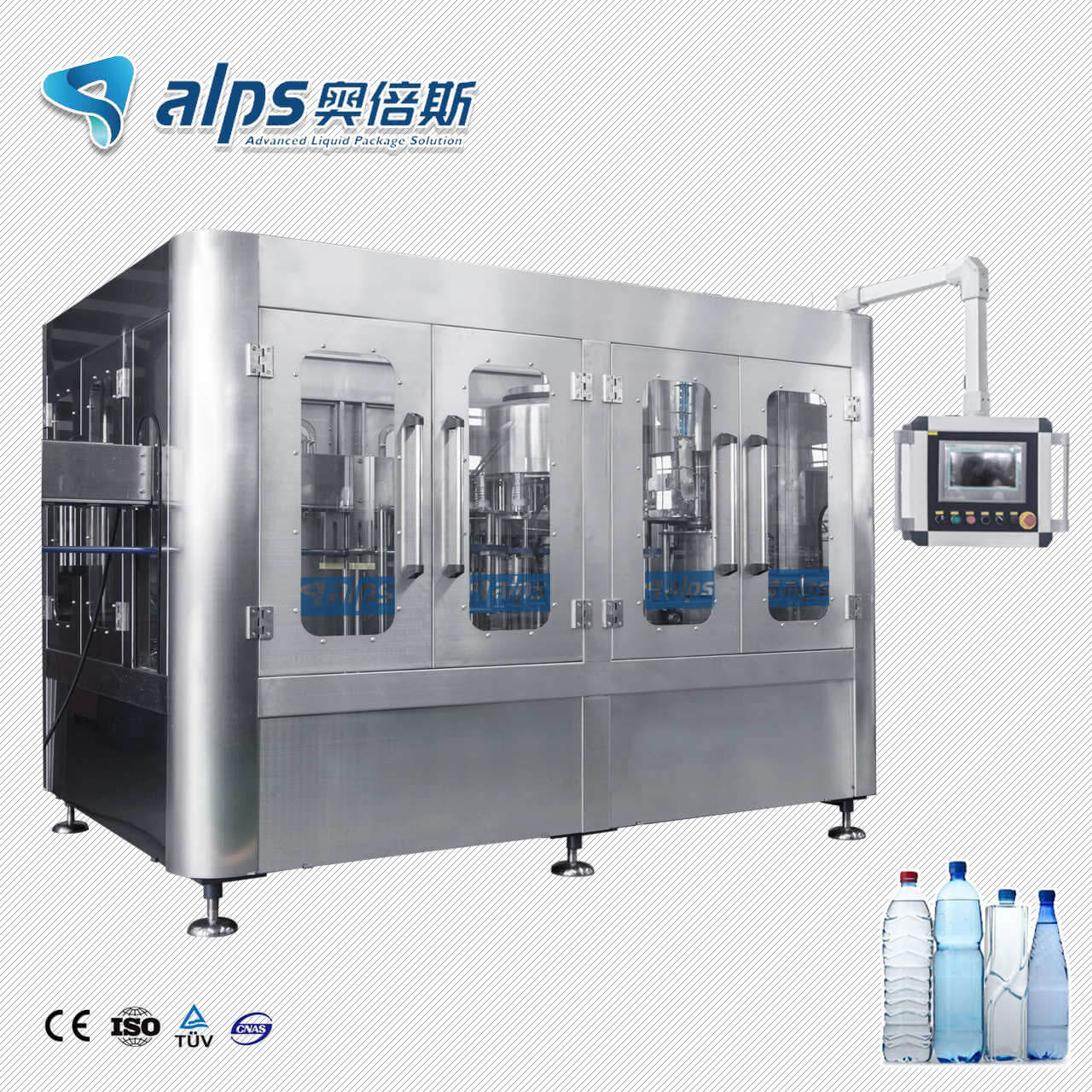
Mineral water filling machines typically require gravity or flow-meter filling to ensure high-speed, hygienic operation.
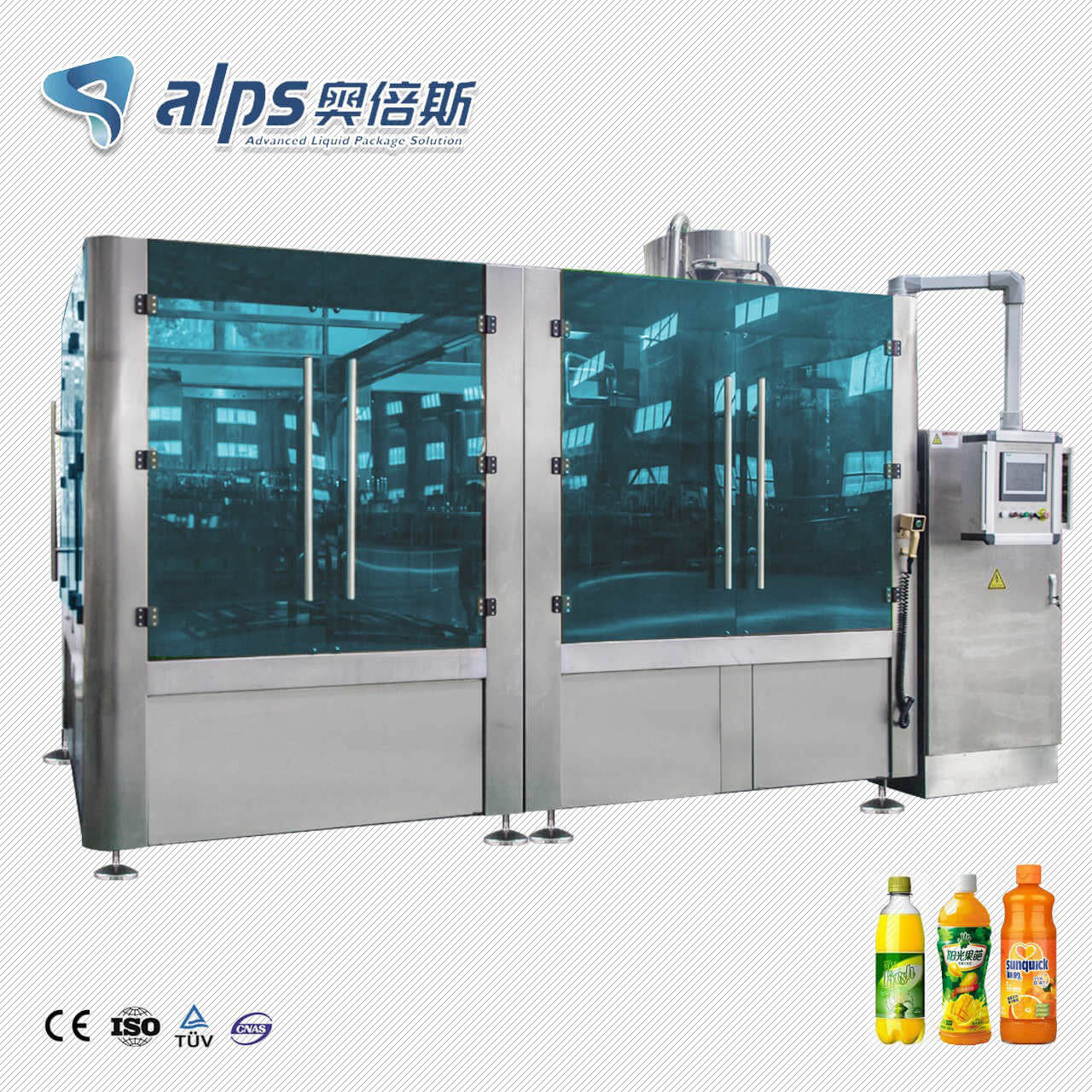
Juice filling machines must accommodate hot filling, aseptic filling, or high-viscosity liquids.
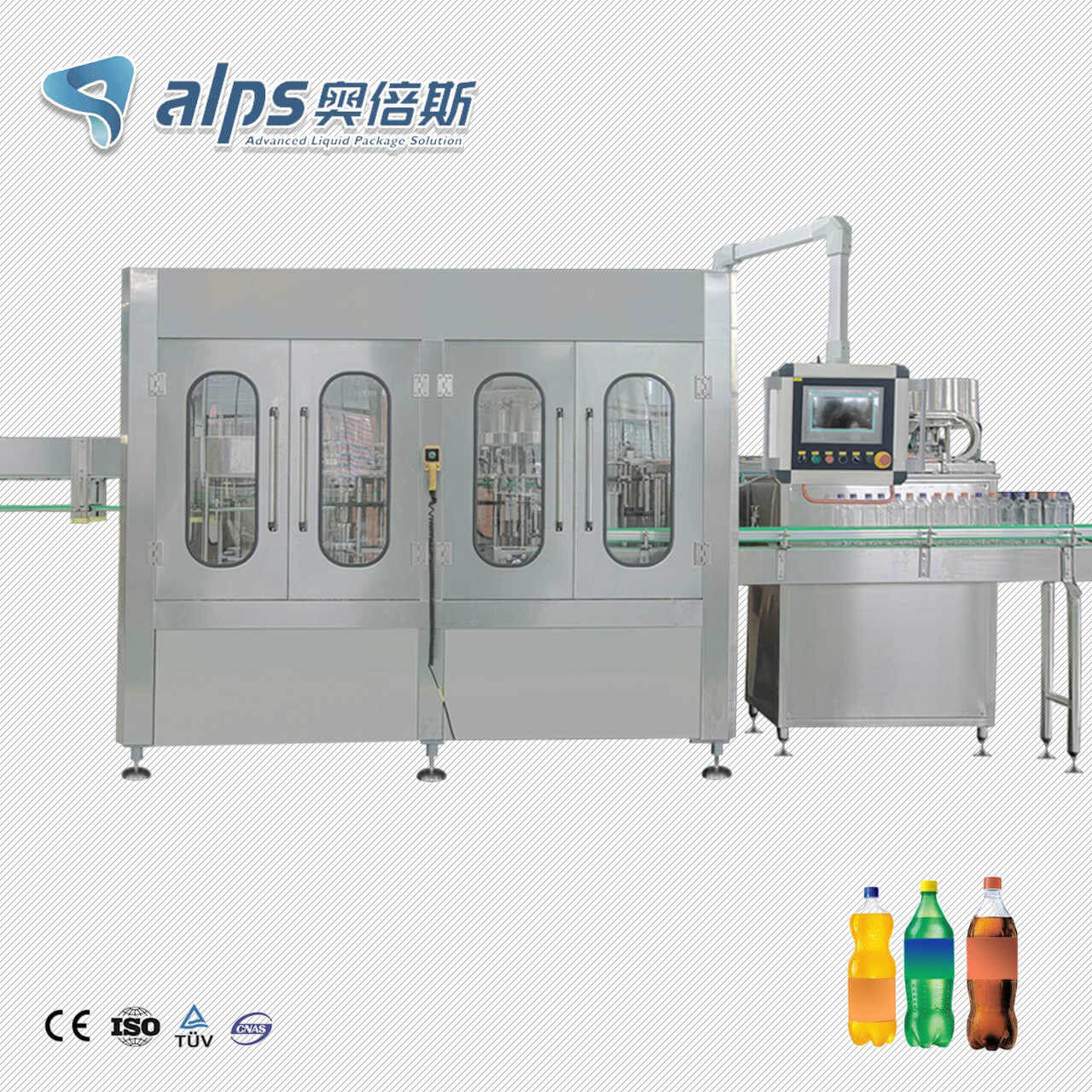
Carbonated soft drink filling machines require counter-pressure filling to maintain CO₂ levels and avoid foaming.
Can filling machines require specialized seamers and deoxygenation systems.
Choosing the correct technology not only boosts efficiency but also reduces product waste and rework.
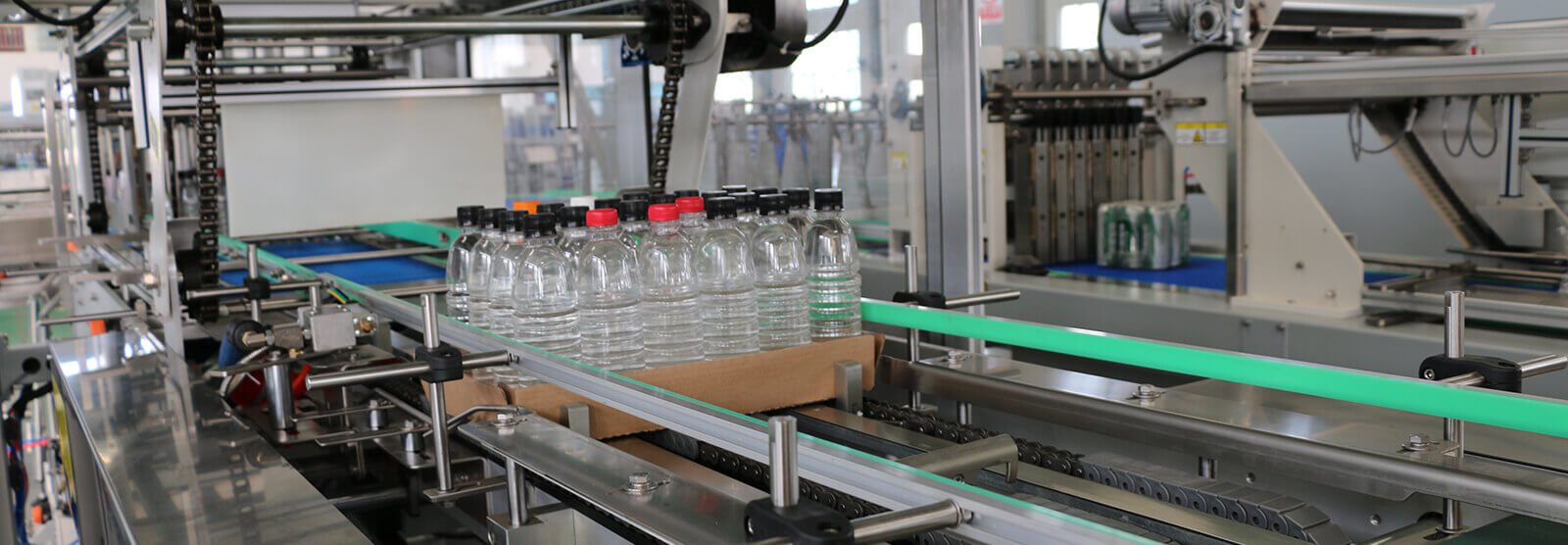
A poorly integrated line creates bottlenecks. Ensuring seamless synchronization between the PET bottle blowing machine, water treatment system, beverage filling machine, labeling machine, and packing machine ensures smooth high-speed operation.
Effective layout planning should:
Eliminate unnecessary conveyor length, friction, and dead zones.
Ensure ergonomic access for operators and maintenance personnel.
Provide logical material flow from raw materials to palletizing.
Modern beverage filling lines use PLCs, HMIs, servo-driven motors, and intelligent control systems to maintain stable operation. Integrating MES or SCADA enables:
Real-time equipment monitoring.
Fault diagnosis and alarms.
Automatic adjustment of filling speed, liquid flow rate, and capping torque.
Data collection for continuous improvement.
Automation is particularly valuable in high-speed beverage filling machines and 5-gallon water production lines, where consistency and hygiene are paramount.
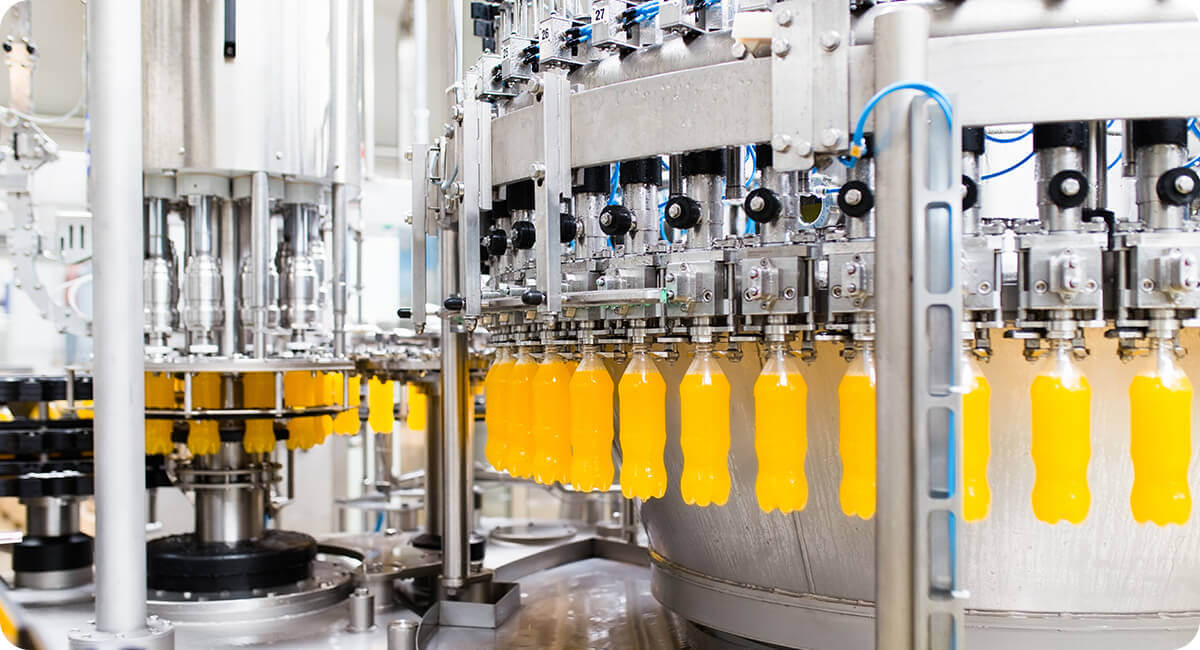
Efficient changeovers are essential, especially for plants handling multiple SKUs or formats. Adopt:
Color-coded parts and tooling.
Quick-release components.
Standardized bottle neck sizes across product lines.
Proper operator training and documentation.
Reducing changeover time directly increases daily production capacity.
Documented, repeatable SOPs should govern:
Start-up and shutdown sequences.
Quality checks.
Sanitation procedures.
Format changes.
Troubleshooting routines.
Strong SOPs reduce operational variability and operator-dependent losses.
Packaging-related issues often cause major downtime. To improve efficiency:
Use certified and consistent bottle preforms for PET bottle blowing machines.
Ensure stable cap quality to prevent capping torque errors.
Maintain label roll quality to avoid misalignment in the labeling machine.
Inspect film and carton quality for the packing machine.
A structured preventive maintenance plan is essential for beverage filling equipment. It should include:
Regular lubrication schedules.
Cleaning and descaling routines, especially for juice filling lines.
Periodic calibration of filling valves and flow meters.
Scheduled replacement of wear parts.
Predictive maintenance technologies—such as vibration monitoring or sensor-based diagnostics—provide early warnings before a machine fails.
Wear parts are inevitable in high-speed rotation systems such as cappers, conveyors, and fillers. Keeping critical spares on hand prevents long downtime. Important wear components include:
Seals and gaskets.
Nozzles and filling valves.
Capping heads and chucks.
Bearings and belts.
Modern beverage filling machines can self-diagnose issues. Systems can:
Display error codes on HMIs.
Recommend corrective actions.
Log faults for further analysis.
Real-time diagnostics significantly reduce troubleshooting time and avoid production disruptions.
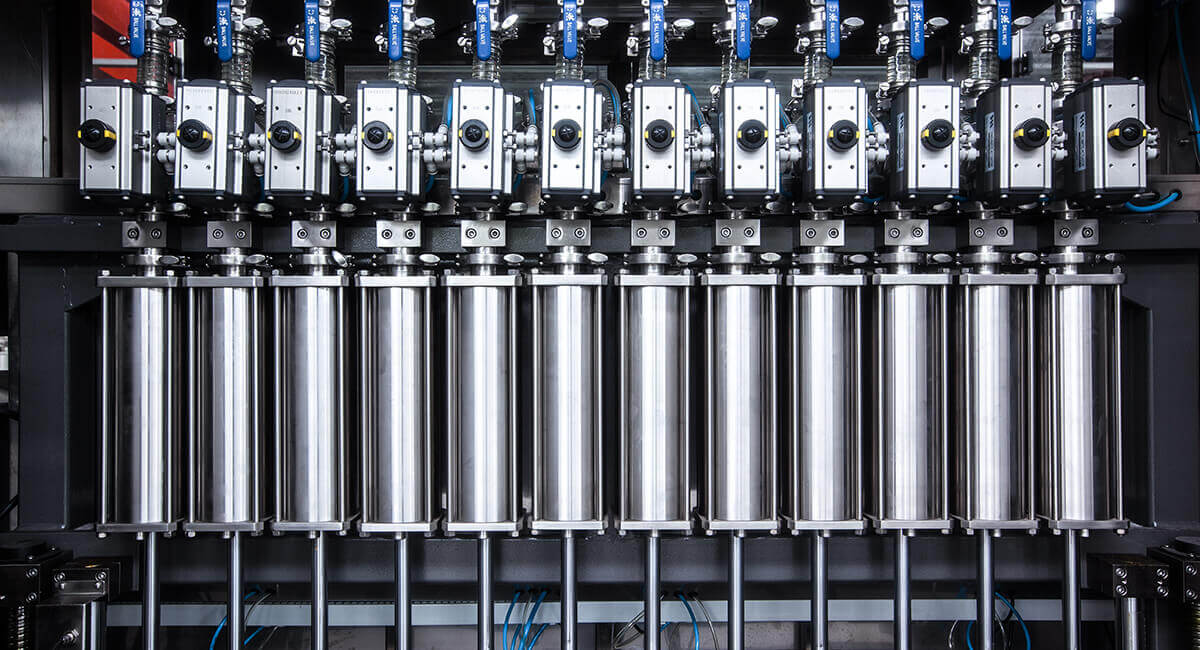
Plants can reduce water consumption through:
Dry lubrication systems for conveyors.
Efficient bottle rinsing systems.
Integrated water treatment systems that recycle and reuse water.
Compressed air is one of the costliest utilities. Using high-efficiency compressors and leak detection systems reduces consumption. PET bottle blowing machines benefit significantly from optimized air recovery systems.
High-precision filling technology prevents overfilling or underfilling. Foam-control features in carbonated drink filling machines minimize product loss and eliminate quality issues.
Rotary filling machines increase throughput without sacrificing precision. They improve uptime and allow smoother bottle handling.
BFC combiblocks integrate PET bottle blowing, filling, and capping in one enclosed system. This eliminates bottle transfer points, reduces contamination risks, shortens the production line length, and significantly increases efficiency.
Aseptic beverage filling machines support long shelf-life products such as juices, teas, and dairy-based beverages. In addition to efficiency gains, aseptic lines improve energy savings through reduced hot filling requirements.
Improving efficiency in a beverage filling line requires a comprehensive strategy that spans equipment selection, line layout, workflow optimization, intelligent controls, preventive maintenance, skilled operators, and data-driven decision-making. Every component—from the PET bottle blowing machine and beverage filling machine to the labeling machine, packing machine, and water treatment system—must operate in full synergy to maximize throughput and minimize waste.
Manufacturers that adopt modern technologies, enhance operator training, implement strong maintenance systems, and integrate digital tools will experience significant gains in productivity, stability, and profitability.
Alps Machine, founded in 2011 and recognized today as a leading enterprise in the research and production of beverage filling and packing machinery. In addition to producing advanced beverage filling machines, mineral water filling machines, juice filling machines, can filling machines, carbonated drink filling equipment, water treatment systems, labeling machines, packing machines, PET bottle blowing machines, 5-gallon water production lines, and injection molding machines, Alps Machine offers turnkey project solutions, including workshop design, machine layout planning, and bottle and label development. Our mission is to ensure every customer’s plant operates efficiently and enables them to win their market.


By continuing to use the site you agree to our privacy policy Terms and Conditions.