Advanced Liquid Package Solution
Any question?
Get in touch


In the modern beverage industry, packaging decisions extend far beyond aesthetics. The choice of container—whether PET bottles, glass bottles, or metal cans—directly affects the performance, configuration, cost, and long-term viability of juice filling equipment. Juice manufacturers face increasing pressure to deliver high-quality products, reduce operational costs, meet sustainability goals, and maintain efficient production line performance. To achieve these objectives, understanding how packaging materials interact with juice filling technology is essential.
This article provides an in-depth comparison of PET bottles, glass bottles, and metal cans, and explains how these packaging choices influence the selection and operation of juice filling machines and complete beverage bottling lines.
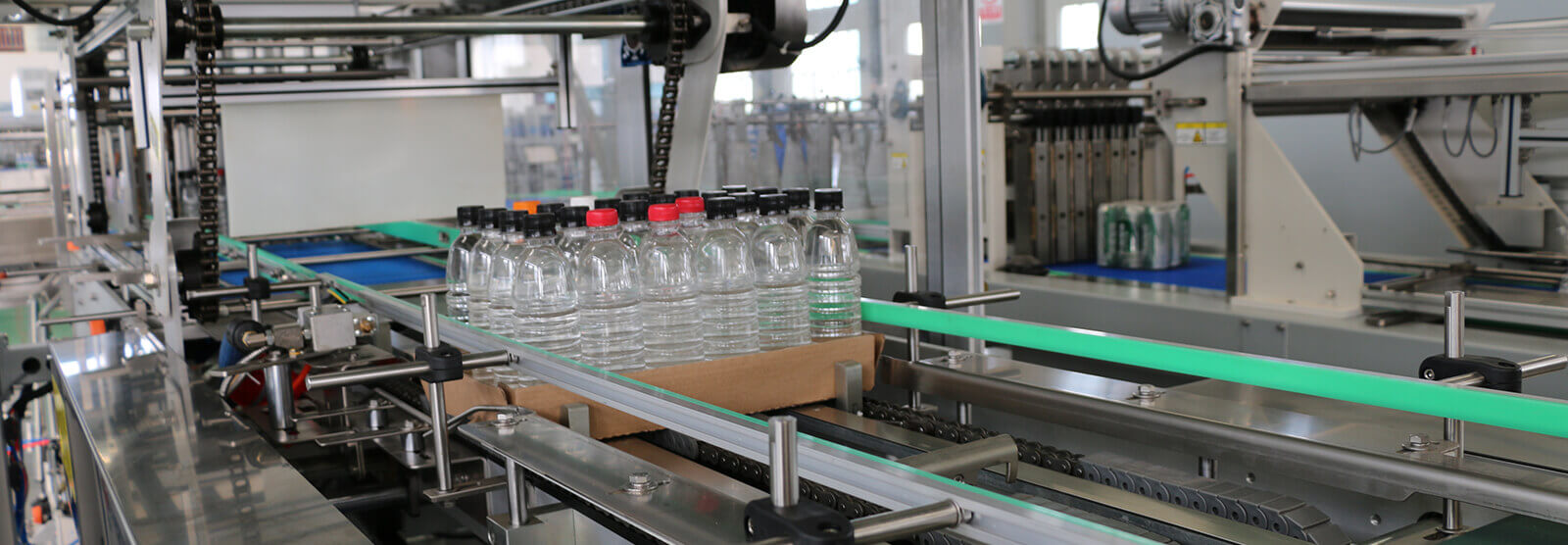
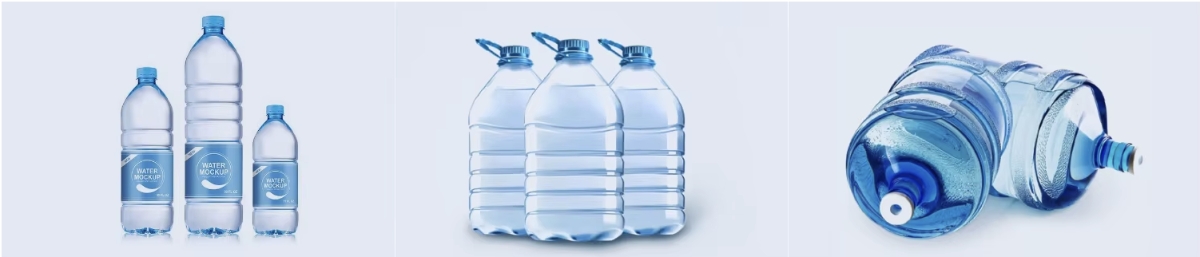
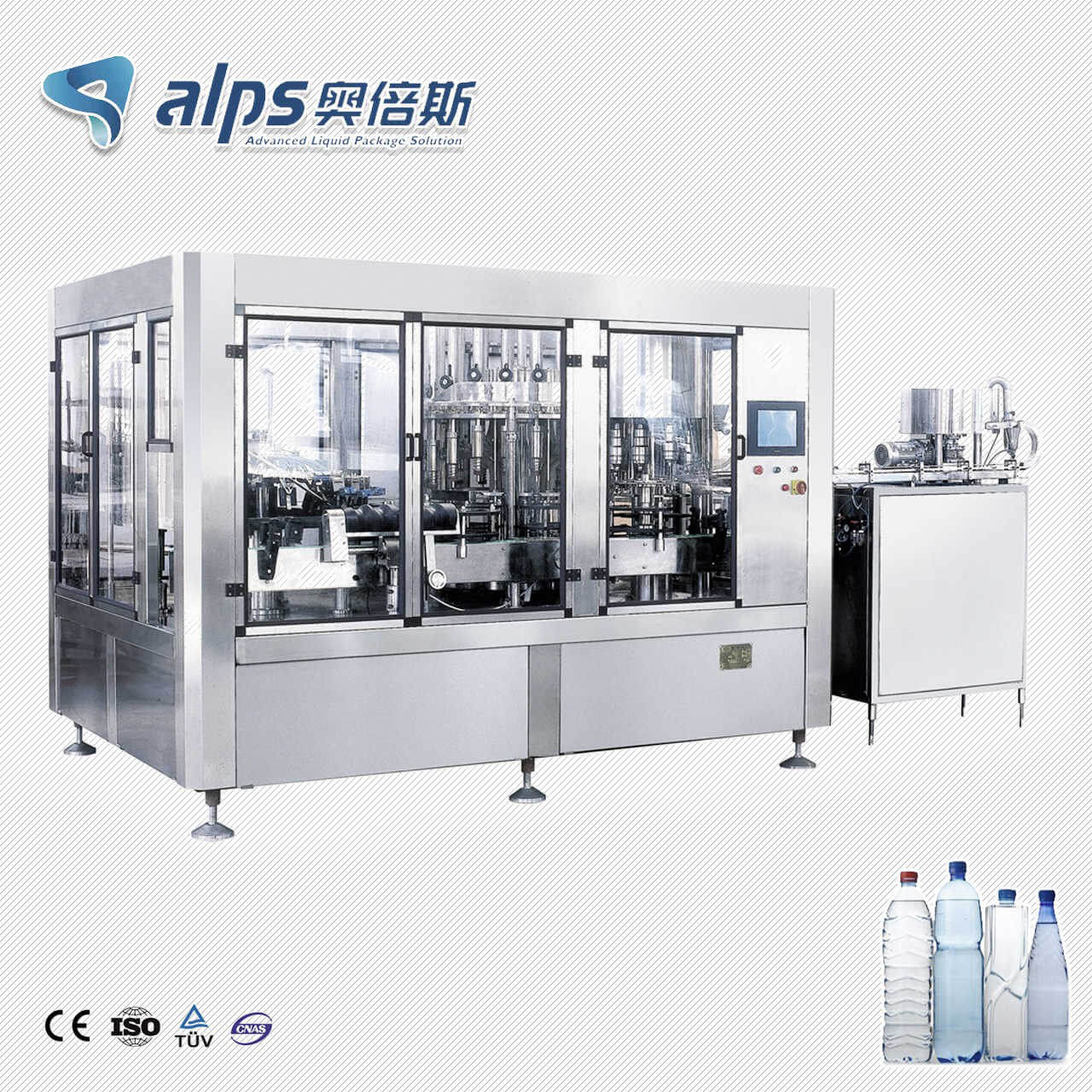
PET (polyethylene terephthalate) bottles are widely used for juice, water, teas, functional drinks, and flavored beverages. They are valued for being lightweight, shatter-resistant, flexible in shape, and cost-effective to produce. PET containers are compatible with hot-fill juice filling machines, cold-fill lines, and aseptic filling systems.
However, PET bottles are sensitive to high temperatures and require stabilization methods—such as paneling or barrier resins—to withstand hot filling or prevent oxygen ingress. For high-acid or vitamin-rich juices, enhanced oxygen barrier technology or multilayer PET may be necessary to maintain product freshness.
Glass packaging represents premium quality and delivers excellent barrier protection. It is non-reactive, impervious to oxygen, resistant to thermal shock (when manufactured accordingly), and ideal for juices requiring extended shelf life or pasteurization.
Despite these advantages, glass bottles are heavier, more fragile, and more costly to transport. Juice bottling equipment designed for glass requires gentle handling, specialized conveyors, and reinforced structural components.
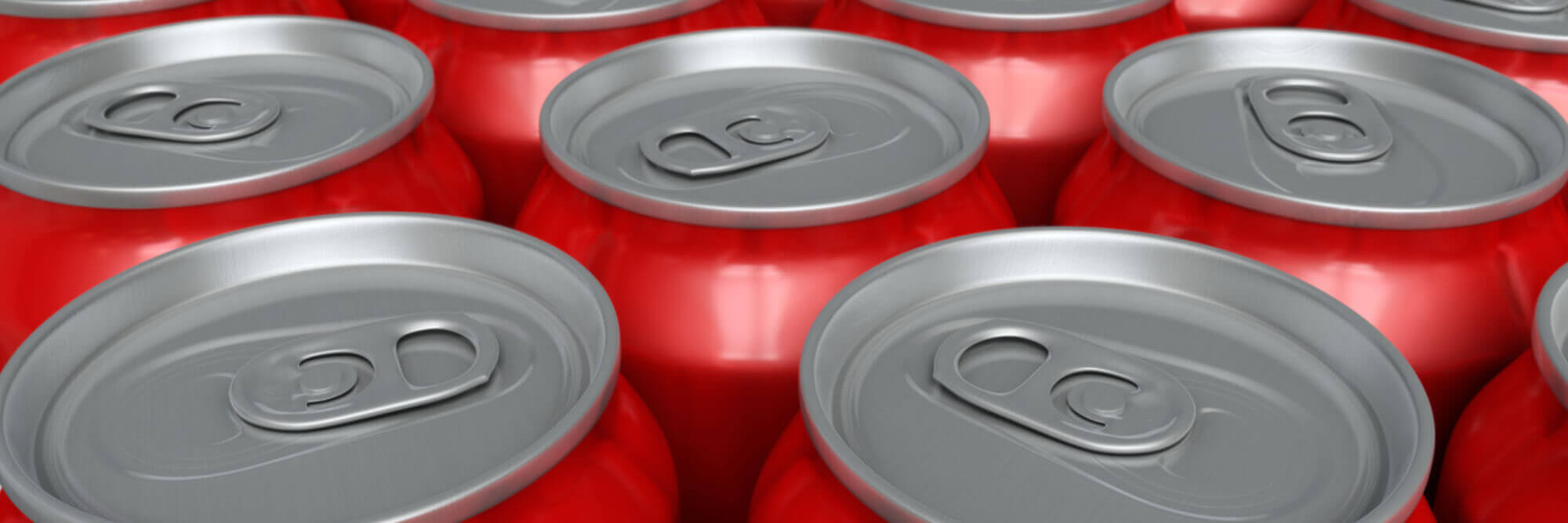
Metal cans are widely used for juice drinks, carbonated juices, energy drinks, and ready-to-drink (RTD) blends. They offer complete protection from light and oxygen, high recyclability, and excellent compatibility with high-speed can filling machines.
Cans, however, require internal linings to prevent corrosion from acidic juices. They also require specialized seaming equipment, depalletizing systems, and nitrogen dosing when filling non-carbonated juices.
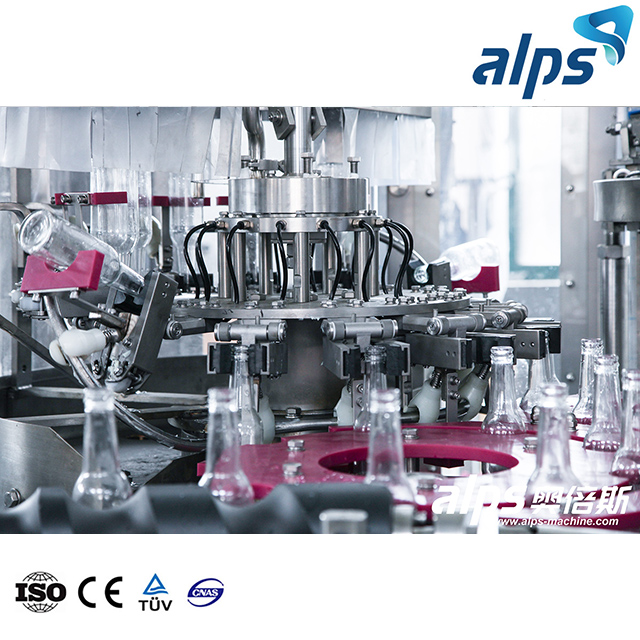
Different packaging materials inherently affect production speed:
PET lines typically run the fastest due to lightweight containers and integration with PET bottle blowing machines.
Glass lines operate at moderate speeds because bottles require gentle handling.
Can lines can achieve extremely high throughput but require precise automation and seaming accuracy.
A mass-market juice plant may prioritize PET for speed and cost efficiency, whereas premium juice producers often choose glass even at reduced throughput.
The filling method must match container characteristics and juice formulation:
PET Bottles: Suitable for hot filling (85–92°C), aseptic filling, or cold filling. Hot-fill juice production lines use pressure compensation and bottle paneling to prevent deformation.
Glass Bottles: Compatible with hot filling, retort sterilization, and tunnel pasteurization.
Metal Cans: Often filled using counter-pressure or volumetric filling. Some juice products require nitrogen dosing for stability.
These differences require juice filling machines to be specifically engineered for each container type.
Handling solutions vary significantly:
PET: Air conveyors are used for high-speed transport because bottles are light.
Glass: Slow-moving conveyors with soft alignment rails prevent breakage.
Cans: Stainless steel can conveyors with accumulation tables enable continuous, high-speed movement.
Incorrect handling systems cause frequent downtime, bottle damage, or line jams.
Each container format requires distinct closure technology:
PET: Typically sealed with plastic screw caps (28 mm or 38 mm), applied by rotary cappers.
Glass: Uses twist-off caps, crown caps, or aluminum ROPP caps, requiring torque-specific capping technology.
Cans: Require multi-head seamers that form airtight seams with high precision.
Sealing affects product shelf life, oxygen ingress, and flavor preservation.
Temperature stability varies by material:
PET: Must avoid excessive heat to prevent distortion. Hot-fill PET is pre-designed to withstand thermal stress.
Glass: Withstands high temperatures and is ideal for pasteurized juices.
Cans: Compatible with retort sterilization and highly protective of sensitive juice formulations.
Valves are tailored to each container:
PET filling valves accommodate hot-fill and aseptic technology.
Glass filling valves tolerate higher temperatures and handle viscous or pulpy juices.
Can filling valves manage non-carbonated and lightly carbonated beverages with nitrogen or CO₂ support.
The correct valve design directly impacts filling accuracy and product consistency.
Before filling, containers undergo different treatment steps:
PET Bottles: Often require blow molding via PET bottle blowing machines, followed by rinsing or sterilization.
Glass Bottles: Typically washed in large bottle washers to remove contaminants.
Metal Cans: Depalletized, rinsed, dried, and fed into the filler-seamer block.
These processes contribute significantly to line layout design and automation requirements.
An efficient juice bottling line includes:
Bottle/can feeding systems.
Juice preparation systems and water treatment systems.
Labeling machines (OPP labels, shrink sleeves, wraparound labels).
Packing machines (carton packers, shrink wrappers, tray packers).
Palletizers for secondary packaging.
Each packaging format demands customized adjustments to these supporting systems.
Different materials impact juice stability:
PET: Requires light-blocking materials or UV-protective additives for sensitive juices.
Glass: Excellent barrier properties but vulnerable to light unless tinted.
Cans: Provide total light and oxygen protection, extending shelf life.
Contamination control is key:
PET and glass support both hot-fill and aseptic filling lines.
Cans work well with retort processing or tunnel pasteurization.
Packaging affects sensory attributes:
Glass remains the gold standard for purity.
Metals require food-safe linings to prevent flavor interaction.
PET needs high-grade resin to avoid aroma absorption.
PET Bottles: Best for mass-market juice, flavored beverages, functional drinks, and high-speed production.
Glass Bottles: Ideal for premium juices, organic beverages, cold-pressed blends, and products requiring sterilization.
Metal Cans: Suitable for RTD juices, carbonated juice drinks, energy blends, and long-shelf-life products.
Selecting the right container improves filling efficiency, cost control, and product competitiveness.
Packaging choices have a profound impact on juice filling equipment, influencing everything from filling valves and line speed to sanitation processes, operating costs, product shelf life, and sustainability. PET bottles, glass bottles, and metal cans each offer unique advantages and challenges, and understanding these differences allows beverage producers to design a filling line that supports operational efficiency and long-term growth.
As beverage manufacturers continue to expand into diverse product categories, selecting the right packaging format—and the right equipment supplier—becomes essential for market success.
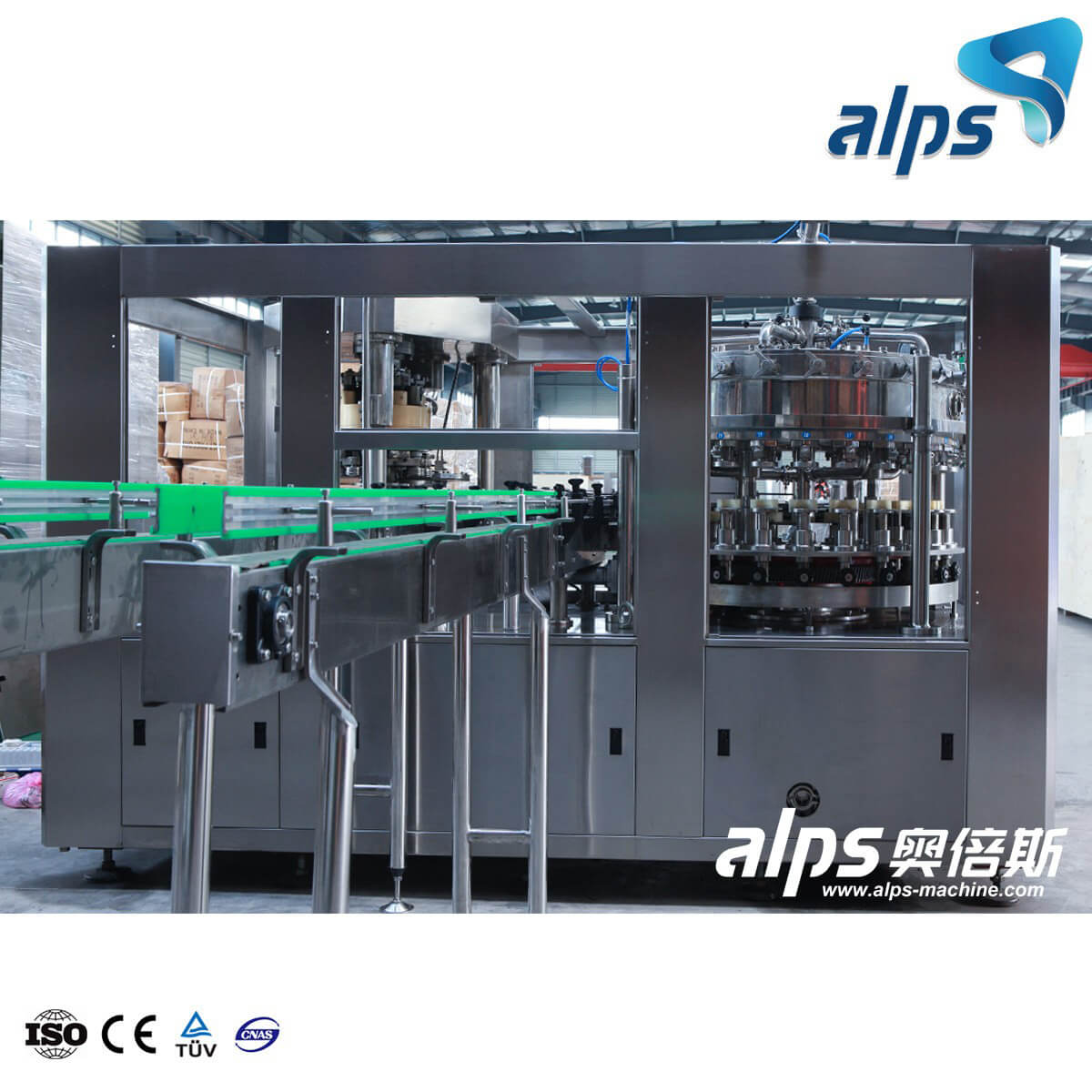
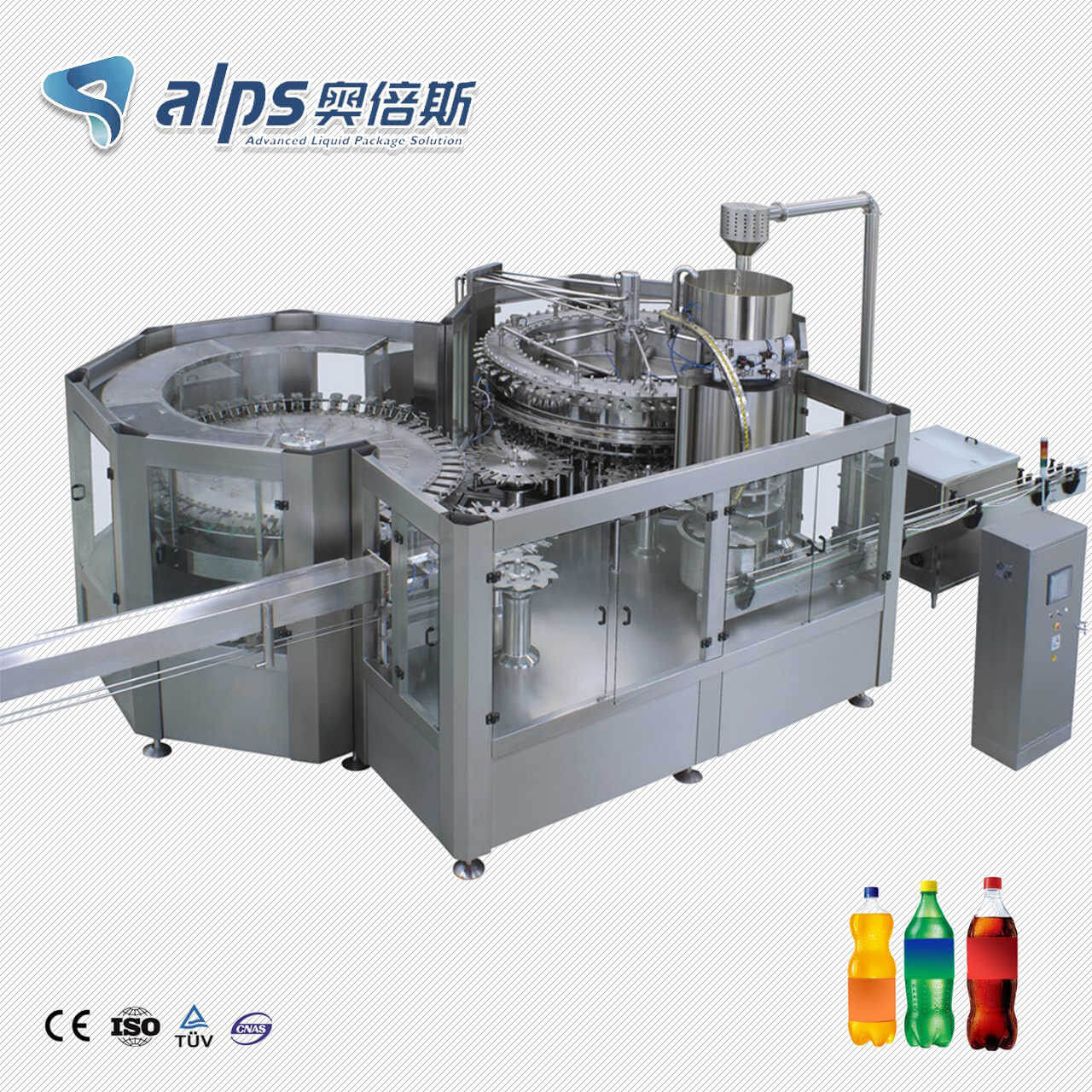
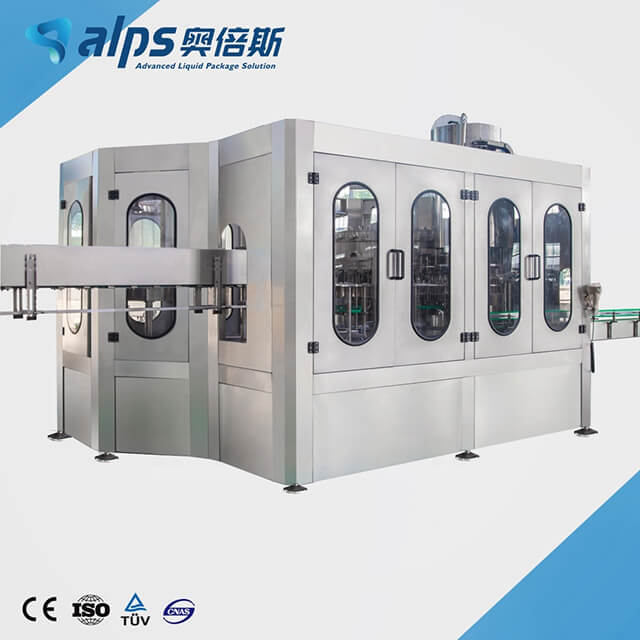
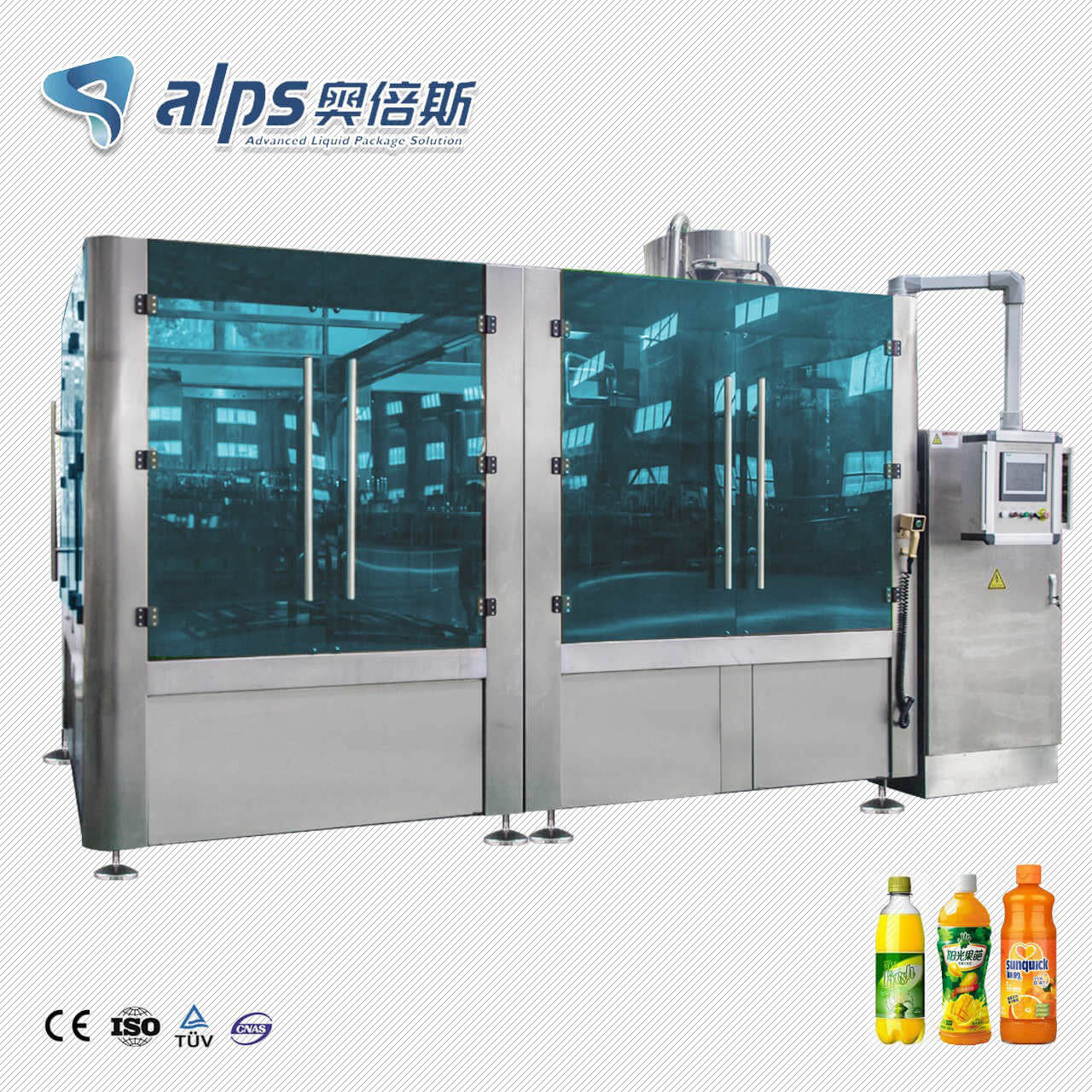
At the forefront of delivering advanced juice filling machines, hot-fill juice production lines, aseptic filling equipment, PET bottle blowing machines, can filling machines, water treatment systems, labeling machines, packing machines, and complete turnkey beverage production lines is Alps Machine, a trusted partner committed to helping customers build efficient, reliable, market-ready beverage plants.


By continuing to use the site you agree to our privacy policy Terms and Conditions.