Advanced Liquid Package Solution
Any question?
Get in touch


In modern beverage production, can filling plays a crucial role in ensuring product quality, operational efficiency, and consumer satisfaction. Whether producing carbonated soft drinks, juice, beer, energy drinks, or functional beverages, manufacturers rely on advanced can filling machines and automated canning lines to achieve fast, stable, and hygienic output. However, even advanced beverage filling equipment can experience common issues such as foaming, leaking, and inaccurate fill levels. If not corrected in time, these problems can lead to product losses, downtime, higher costs, and inconsistent product presentation.
This article provides an in-depth analysis of the most common problems in can filling operations, explains why they occur, and offers practical troubleshooting guidance to help beverage manufacturers optimize their canning line performance. The insights shared apply to both carbonated drink filling machines and non-carbonated can filling equipment, ensuring a wide application across beverage categories.
Before addressing specific issues, it is important to understand the underlying factors that influence can filling performance. Key variables include:
Different beverages behave differently during filling:
Carbonated drinks contain CO₂, making them more sensitive to temperature and turbulence.
Juices with pulp or high viscosity require specialized filling valves.
Beers foam easily during pressure fluctuations.
Aluminum cans are lightweight and convenient but also sensitive to:
dents and deformation
uneven seams
temperature changes
These conditions can trigger leaks or unstable fill levels.
A can filling machine’s performance depends on:
precision of filling valves
quality of pressurization system
integrity of seals and rubber parts
cleanliness of product contact surfaces
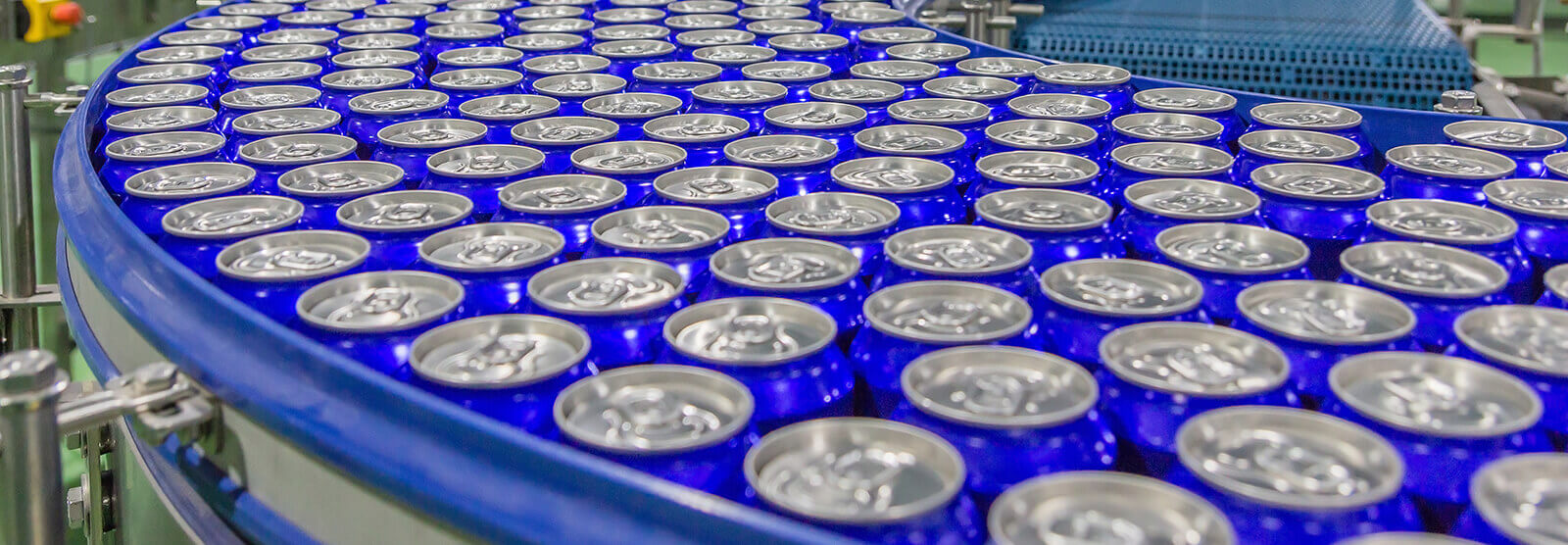
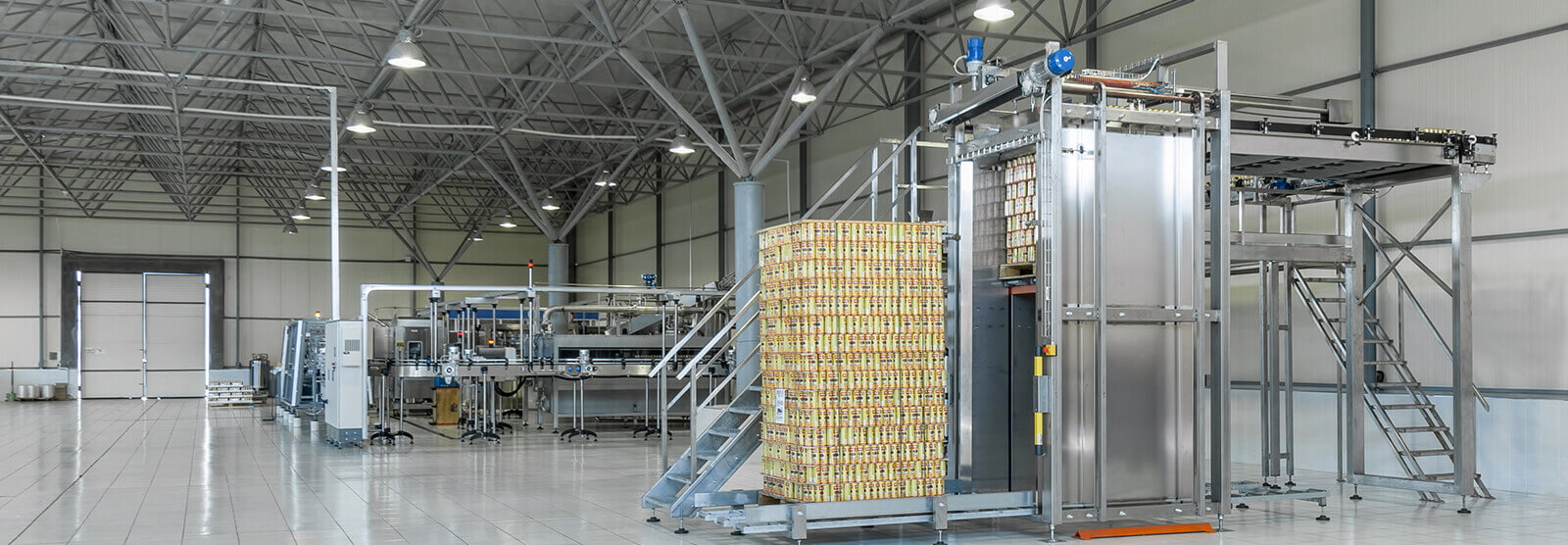
A canning line typically includes:
depalletizer
rinsing machine
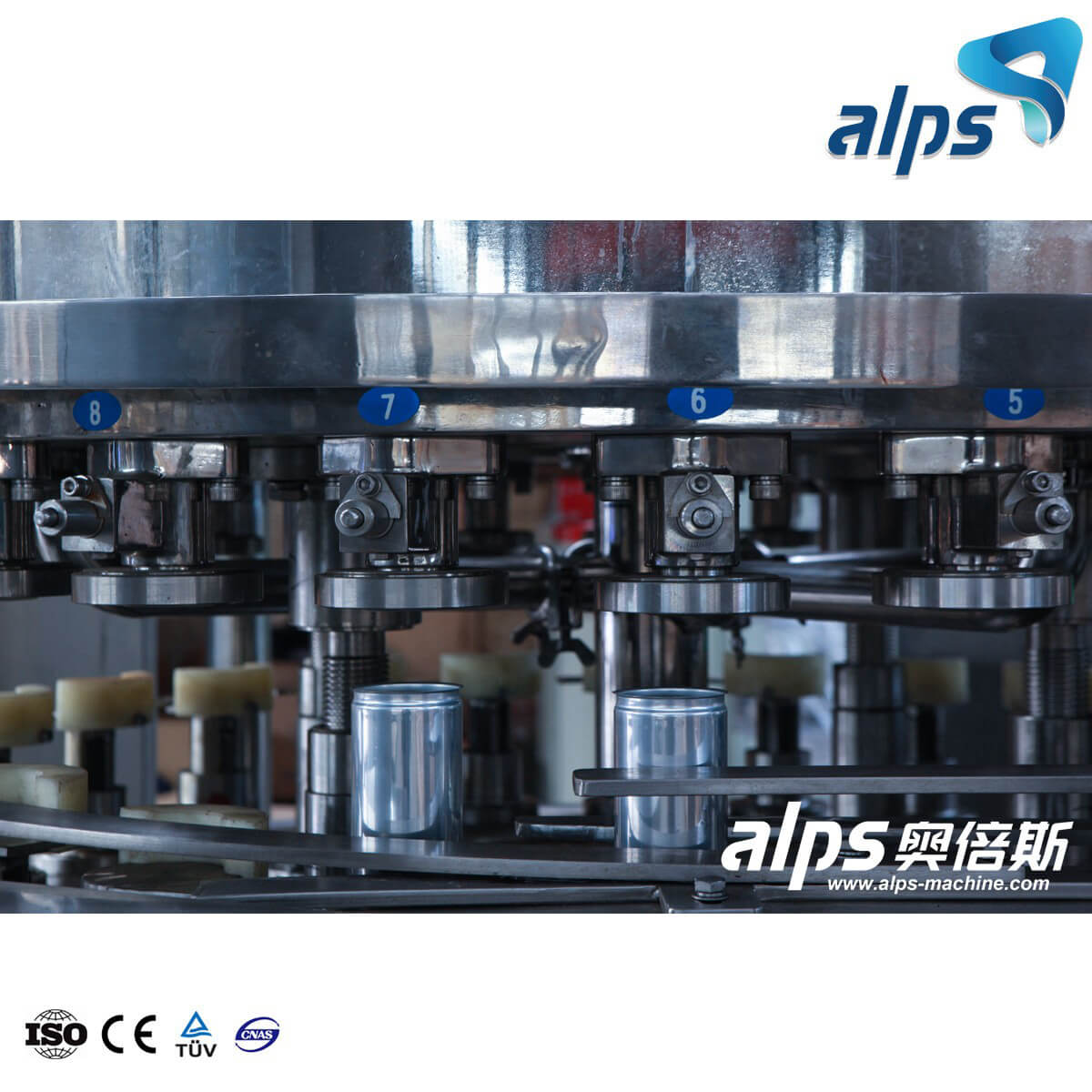
can filling machine
seaming machine
conveyor system
date coding, labeling, and packaging equipment
Synchronization between each part is critical. Even small mismatches in speed or timing can disrupt filling accuracy.
Foaming is one of the most common and frustrating issues in can filling, especially for carbonated beverages, beers, kombucha, and energy drinks.
Foaming is generally caused by:
High product temperature – Warm liquid releases CO₂ rapidly.
Incorrect filling pressure – Pressure imbalance between the tank and can leads to gas breakout.
Excessive turbulence – Poor fluid flow design or unstable filling valve operation.
Deformed or dirty cans – Surface defects trigger nucleation and foam generation.
Inadequate CO₂ purging – Air in the can triggers foam when the product enters.
High residual oxygen – Excess oxygen can react with CO₂ and generate bubbles.
Lower the product temperature
For carbonated beverage filling, maintain 0–3°C for best results. Low temperature enhances CO₂ solubility and minimizes foam.
Optimize filling pressure
Ensure pressure between product tank and filling valve is stable. For carbonated drink filling machines, the tank pressure typically ranges from 0.2 to 0.4 MPa depending on CO₂ content.
Check and clean filling valves
Worn or dirty valves create turbulence. Regular CIP/SIP cleaning is essential.
Inspect can quality
Reject cans with dents or scratches before they reach the filler.
Improve CO₂ flushing process
Double pre-evacuation or effective CO₂ purging significantly reduces oxygen and foaming.
Use foam control features
Premium beverage filling equipment includes multi-stage filling, anti-foam valves, and gentle bottom-up filling mechanisms.
Leakage can occur during filling, after seaming, or during storage and transportation. This not only wastes product but can contaminate equipment and lead to large recalls.
Worn or misaligned filling valve seals
If gaskets or O-rings are damaged, product may drip or leak during filling.
Improper seaming
The seamer head must achieve perfect double seams; otherwise, micro-leaks occur.
Damaged cans entering the filler
Small invisible cracks at the rim can become major leaks after seaming.
Incorrect liquid level
Overfilled cans are more prone to leakage due to internal pressure.
Contamination on can rims
Juice, syrup, or oil on the rim prevents proper seaming.
Replace sealing components regularly
Filling valve rubber parts have lifespans; monitor wear and replace proactively.
Ensure seamer setup accuracy
Adjust critical parameters:
first-operation roll height
second-operation roll pressure
chuck alignment
Enhance can inspection
Use sensors or manual checks to remove dented or out-of-round cans.
Maintain proper fill level
Most can filling machines use level sensors or liquid-level control features. Calibrate them regularly.
Clean can rims before seaming
Install foam or water jets to eliminate product residue.
Inaccurate filling affects product consistency, brand credibility, and regulatory compliance. It can appear as underfilling or overfilling.
Incorrect calibration of flow meters or level probes
Sensors may drift over time.
Wear in filling valves
Mechanical wear leads to fluctuating flow rates.
Inconsistent product supply pressure
Pressure dips cause underfilling; pressure spikes cause overfilling.
Temperature fluctuations
Hotter liquids expand and can trigger unintended cut-off levels.
Foaming interference
Foam in the can disrupts accurate volume detection.
Calibrate the filling system
Regularly verify:
flow meter accuracy
filling valve cut-off timing
tank level sensors
Maintain stable product feed conditions
Use buffer tanks, pressure control valves, and constant-speed pumps.
Perform preventive maintenance on filling valves
Replace moving components such as springs, plungers, and seals.
Control product temperature
Maintain stable temperature for juice filling machines and carbonated beverage filling systems.
Reduce foam
Follow the foaming solutions outlined above to ensure accurate volume measurement.
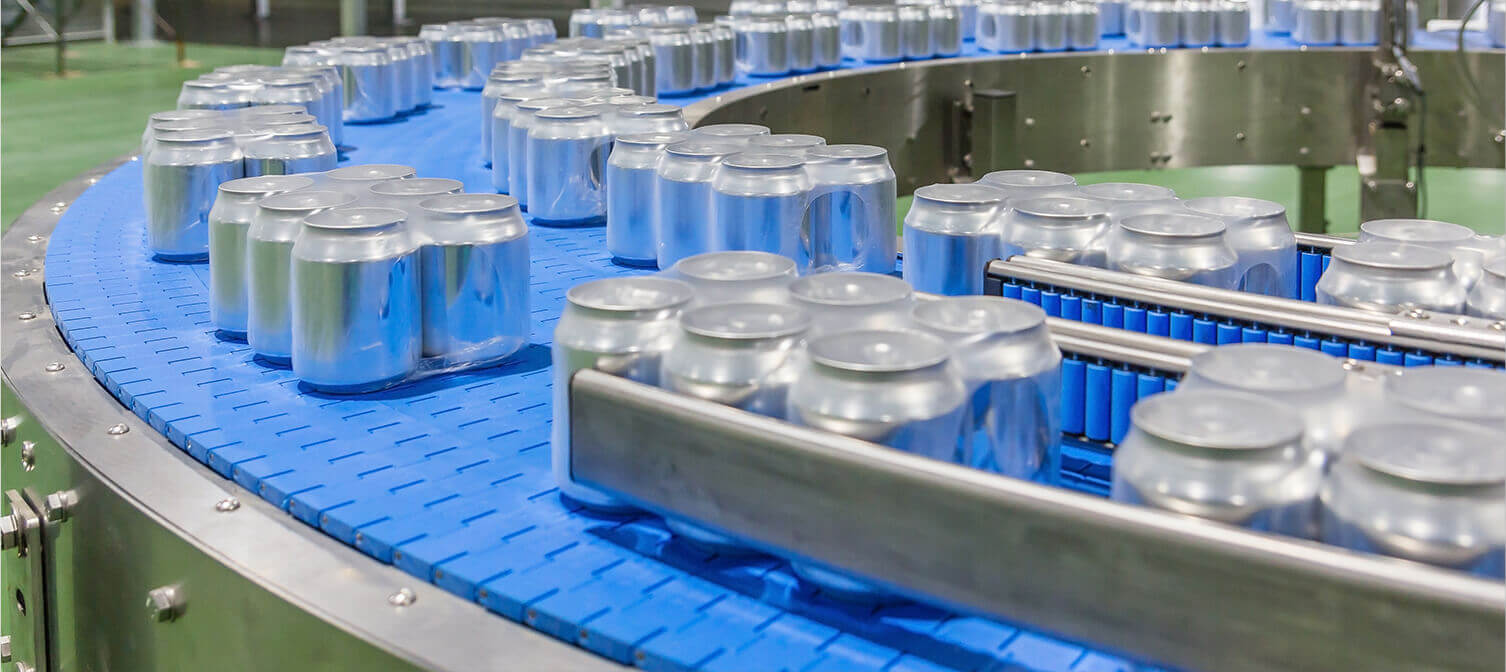
Even with proper maintenance, older or outdated can filling equipment may struggle to meet modern production demands. Consider upgrading if you experience:
frequent downtime
poor filling accuracy
limited compatibility with different can sizes
insufficient speed
high energy or CO₂ consumption
outdated hygiene or CIP systems
Modern can filling machines incorporate servo-controlled valves, positive pressure filling technology, PLC automation, real-time monitoring, and improved seaming systems. Upgrading can dramatically increase output and reduce operational costs.
Foaming, leaking, and inaccurate fill levels are common but solvable issues in can filling operations. With proper machine calibration, preventive maintenance, and optimized production processes, beverage manufacturers can significantly improve efficiency, reduce waste, and enhance product consistency.
Whether you operate a small-scale canning line or a large industrial beverage filling plant, investing in reliable can filling machines and maintaining strict operational discipline is essential for long-term success.
Alps Machine, founded in 2011, is a leading manufacturer of beverage filling machines, can filling equipment, PET bottle filling lines, water treatment systems, labeling machines, packing machines, and turnkey beverage production solutions. We not only provide machines but also offer complete project services including workshop layout, utility design, bottle and label development, and integrated production solutions to help customers build high-performance beverage plants and succeed in their market.


By continuing to use the site you agree to our privacy policy Terms and Conditions.