Advanced Liquid Package Solution
Any question?
Get in touch


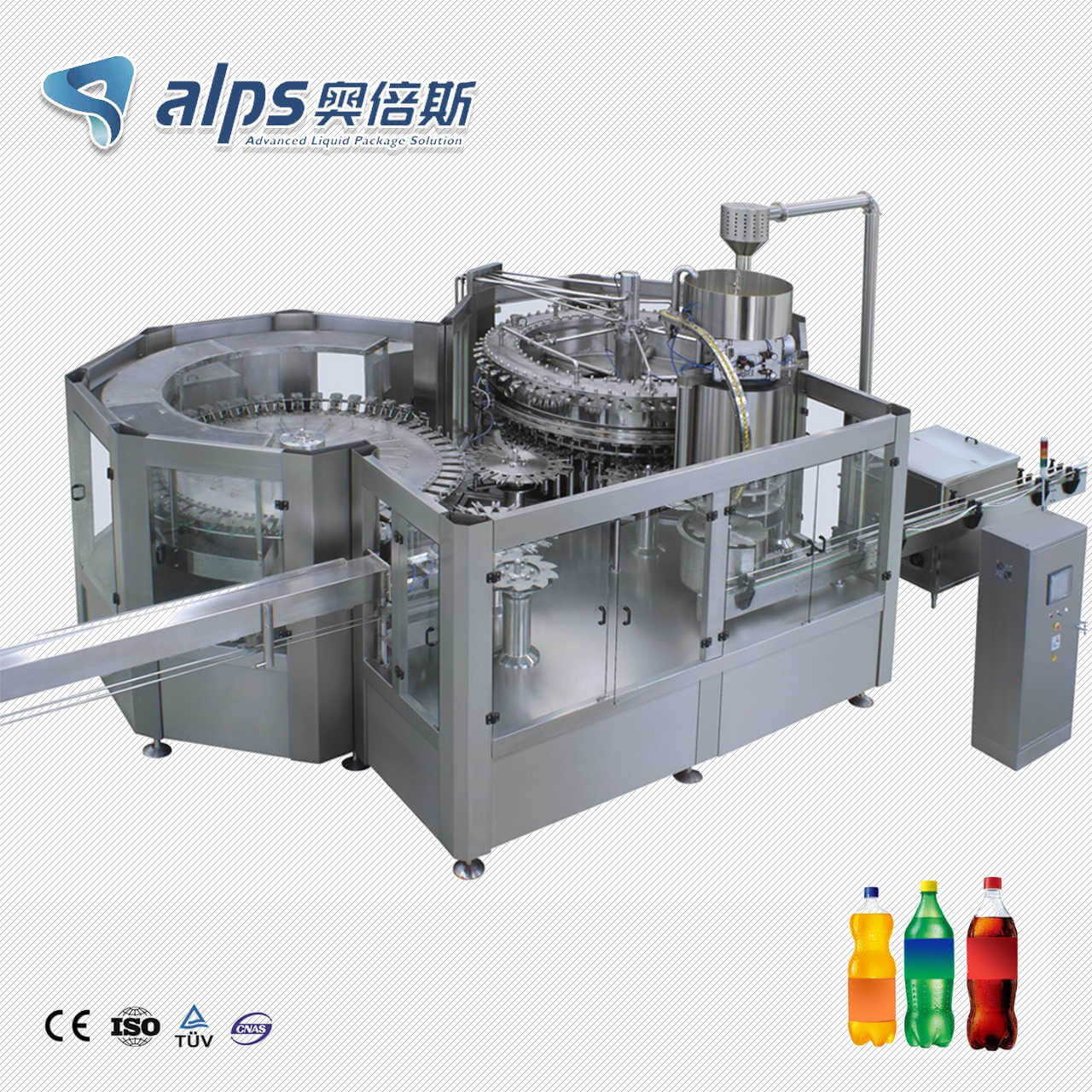
Foaming is one of the most persistent challenges in CSD (carbonated soft drink) filling. Whether you are filling PET bottles, glass bottles, or aluminum cans, excessive foam can disrupt operations, reduce filling accuracy, slow down production, and increase beverage waste. With high-speed beverage factories running tens of thousands of bottles per hour, even small amounts of foam can result in serious inefficiencies across the entire beverage filling line.
Understanding how temperature, pressure, and filling valve design affect foaming is essential for achieving smooth, stable, and precise filling performance. This article offers a deep and systematic explanation of why foaming happens and how you can minimize it by optimizing key engineering and operational variables in your CSD filling machine.
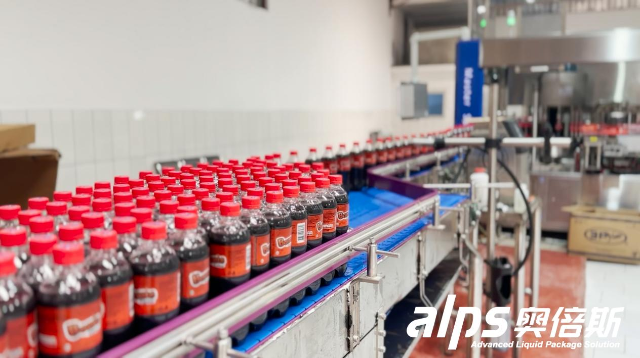
Foaming during carbonated beverage filling is primarily caused by the interaction of CO₂, liquid movement, and pressure changes. When the beverage undergoes rapid turbulence, pressure drop, or a rise in temperature, dissolved CO₂ escapes in the form of bubbles, leading to foam. The problem is further magnified in high-speed production environments, where small deviations in machine settings or product conditions can produce significant impacts.
CO₂ solubility increases at:
lower temperatures
higher pressures
When temperature rises or pressure drops, CO₂ is released and forms foam. Therefore, stability of temperature and pressure becomes the core of foam control in any carbonated soft drink filling machine.
Different packaging formats behave differently:
PET bottles are flexible and can expand slightly, stabilizing pressure.
Glass bottles maintain rigid structure but can cause more turbulence due to weight.
Aluminum cans conduct heat quickly and are sensitive to dents or surface defects, which increase nucleation sites.
The choice of packaging directly impacts foam behavior at the fill point.
Machine factors include:
speed of filling valve opening
turbulence inside the valve or spout
stability of the product tank pressure
condition of seals, O-rings, gaskets
synchronization with conveyors and cappers
Even tiny misalignments can increase gas breakout.
When it comes to CSD filling, temperature is the most critical variable. Because cold temperature increases CO₂ stability, beverage filling plants must maintain tight temperature control from the mixing unit to the filler bowl.
For carbonated beverages, warmer temperatures:
reduce CO₂ solubility
increase bubble formation
create foam when the beverage enters the container
This is why most modern CSD filling lines incorporate powerful cooling systems.
Most carbonated beverages should be filled at:
0°C to 4°C
Ideal temperature depends on carbonation level (e.g., 2.5–4.0 volumes CO₂).
Every 1°C increase in temperature can significantly reduce CO₂ solubility, increasing foam exponentially.
A high-performance cooling system must include:
plate heat exchangers
glycol chiller systems
insulated pipelines
stable refrigeration capacity
The product should remain cold from the carbonator to the filling valve without sudden warm spots.
Common problems include:
insufficient glycol flow
poor insulation in pipes
long product hold time
filler bowl temperature rising during long runs
Any of these conditions lead to CO₂ breakout.
Pre-cool product before carbonation.
Use insulated transfer pipes and tanks.
Maintain constant refrigeration load.
Conduct temperature checks at multiple points in the line.
Avoid long stop-starts, which warm the liquid.
Modern fillers such as servo-controlled isobaric filling systems help stabilize temperatures throughout the filling cycle.
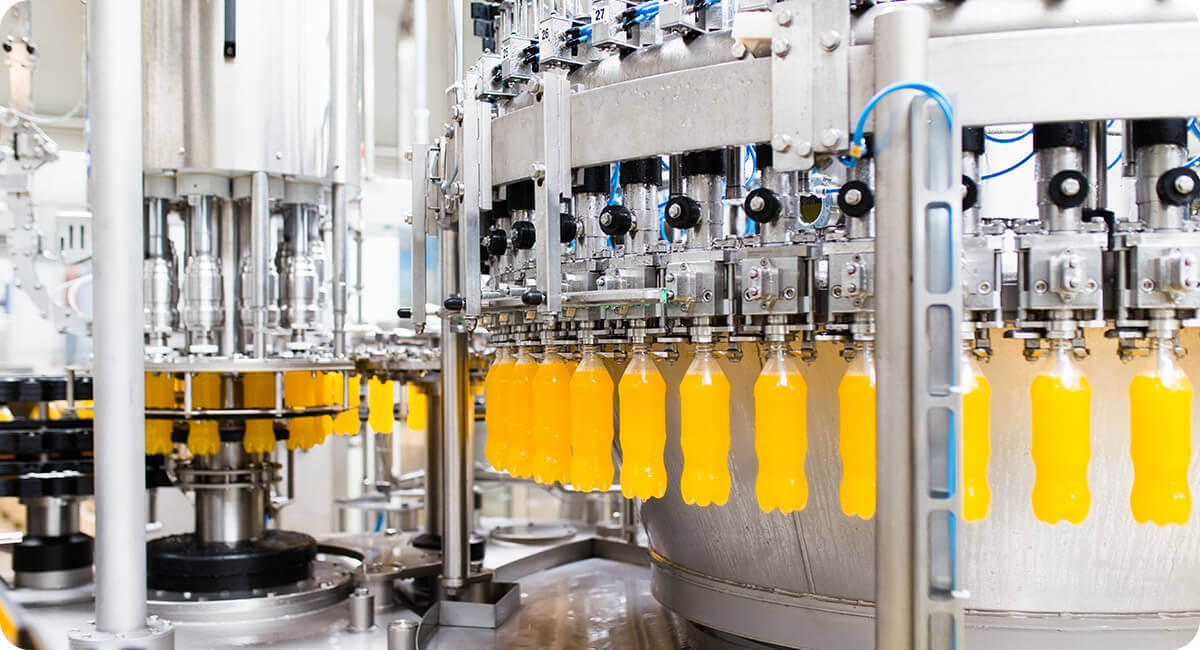
Pressure is the second major factor affecting foam formation. In counterpressure CSD filling machines, maintaining stable and consistent pressure throughout the filling process is critical.
The filling process must match:
pressure in the filling tank
pressure inside the container
CO₂ pressure applied to the product
When these pressures are not synchronized, CO₂ escapes as foam.
Pressure is controlled at different points:
Filling tank (product bowl) pressure
Container pre-pressurization stage
Filling valve internal pressure
Snift/pressure release stage
If any stage is unstable, the result is foaming.
Sudden drop in filler bowl pressure
Unstable CO₂ supply
Worn seals causing internal leakage
Incorrect snift valve settings
Overpressure causing turbulent product entry
General guidelines:
0.2–0.4 MPa for many soft drink applications
Higher carbonation levels require higher pressure
However, precise values depend on container type, fill temperature, and carbonation levels.
Use PID-controlled pressure regulators.
Install CO₂ buffer tanks to absorb fluctuations.
Replace worn O-rings and seals regularly.
Monitor CO₂ pressure at multiple line points.
Ensure equalized pressures before filling starts.
High-quality carbonated drink filling machines integrate intelligent pressure control systems to prevent pressure-triggered foam issues.
Valve design is often underestimated, yet it is one of the most influential factors in foam control. Advanced filling valve engineering minimizes turbulence and ensures stable product entry.
Foam results from:
excessive turbulence
fast or irregular flow
poor pressure equalization
wrong filling cut-off timing
A well-designed valve reduces turbulence and ensures smooth, laminar product flow.
Common valve systems include:
Isobaric filling valves (standard for CSD)
Electronic flowmeter filling valves
Mechanical filling valves with float control
The choice affects both foam control and filling accuracy.
Modern CSD filling valves include:
smooth hydraulic curves to reduce turbulence
controlled opening stages
bottom-up filling to minimize splashing
anti-foam nozzles
double CO₂ purging for oxygen reduction
high-response servo actuators for precision control
Worn or dirty valves increase turbulence and cause foaming. Maintenance must include:
cleaning (CIP/SIP cycles)
seal and gasket replacement
alignment checks
flow rate calibration
leakage tests
Keeping valves in excellent condition is mandatory for stable CSD filling performance.
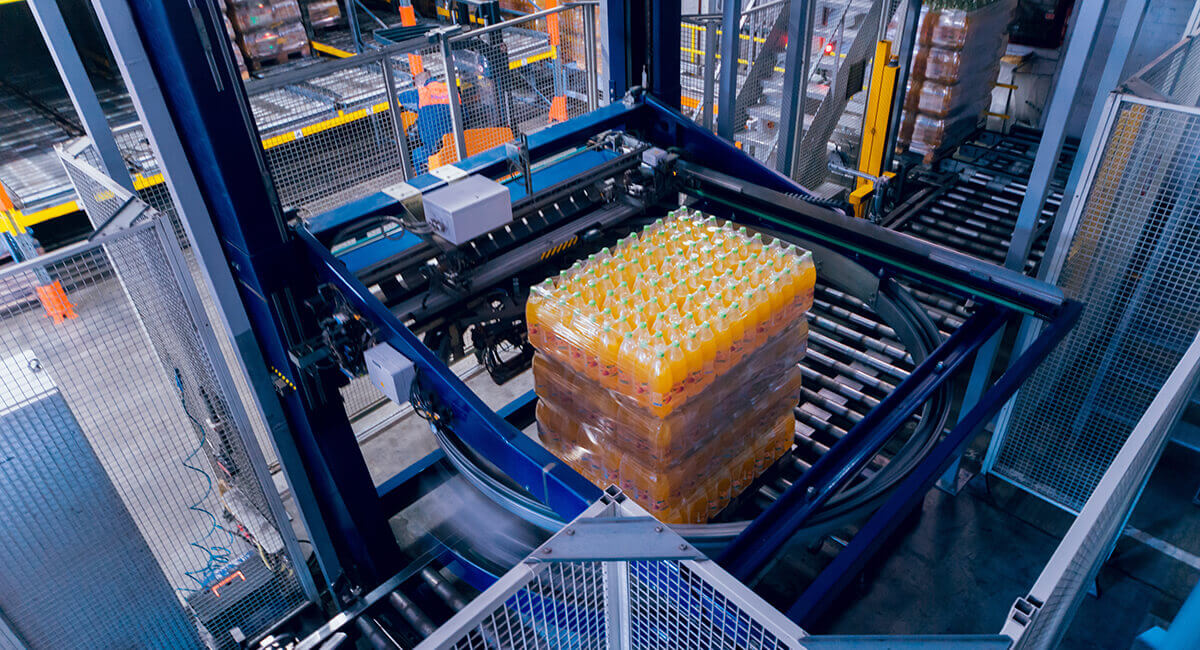
Foam control requires attention to the entire beverage filling line—not only the filler.
Excessive vibration before filling increases foam. Ensure:
smooth conveyor flow
correct timing between infeed screw and star wheel
reduced backpressure
If filling and capping speeds are mismatched, bottles remain exposed too long, allowing foam to rise and overflow.
Scratches, dents, or irregular inner surfaces create nucleation sites that trigger foam. Proper container inspection is crucial for:
PET bottle filling machines
can filling machines
glass bottle CSD filling lines
Some beverage factories maintain a CO₂-rich environment around the filling bowl to reduce oxygen pickup and foam generation.
Even with optimal machine design, operators play a key role in controlling foam.
Check temperature at multiple points.
Ensure all seals are properly installed.
Run pre-blow and pre-evacuation cycles.
Check CO₂ purity and pressure.
Monitor fill level trends.
Watch for abnormal snift cycles.
Maintain stable production speed.
Use foam detection sensors if equipped.
CIP cleaning after each shift.
Replace valve seals every 3–6 months.
Test flowmeters monthly.
Calibrate tank pressure sensors quarterly.
A well-trained operator reduces foam more effectively than any automatic system.
Foaming during CSD filling is a complex issue influenced by temperature, pressure, valve design, packaging material, and line integration. By controlling liquid temperature, stabilizing pressure throughout the filling cycle, and using advanced filling valve technology, beverage manufacturers can significantly reduce foam formation, increase filling accuracy, improve efficiency, and minimize product loss.
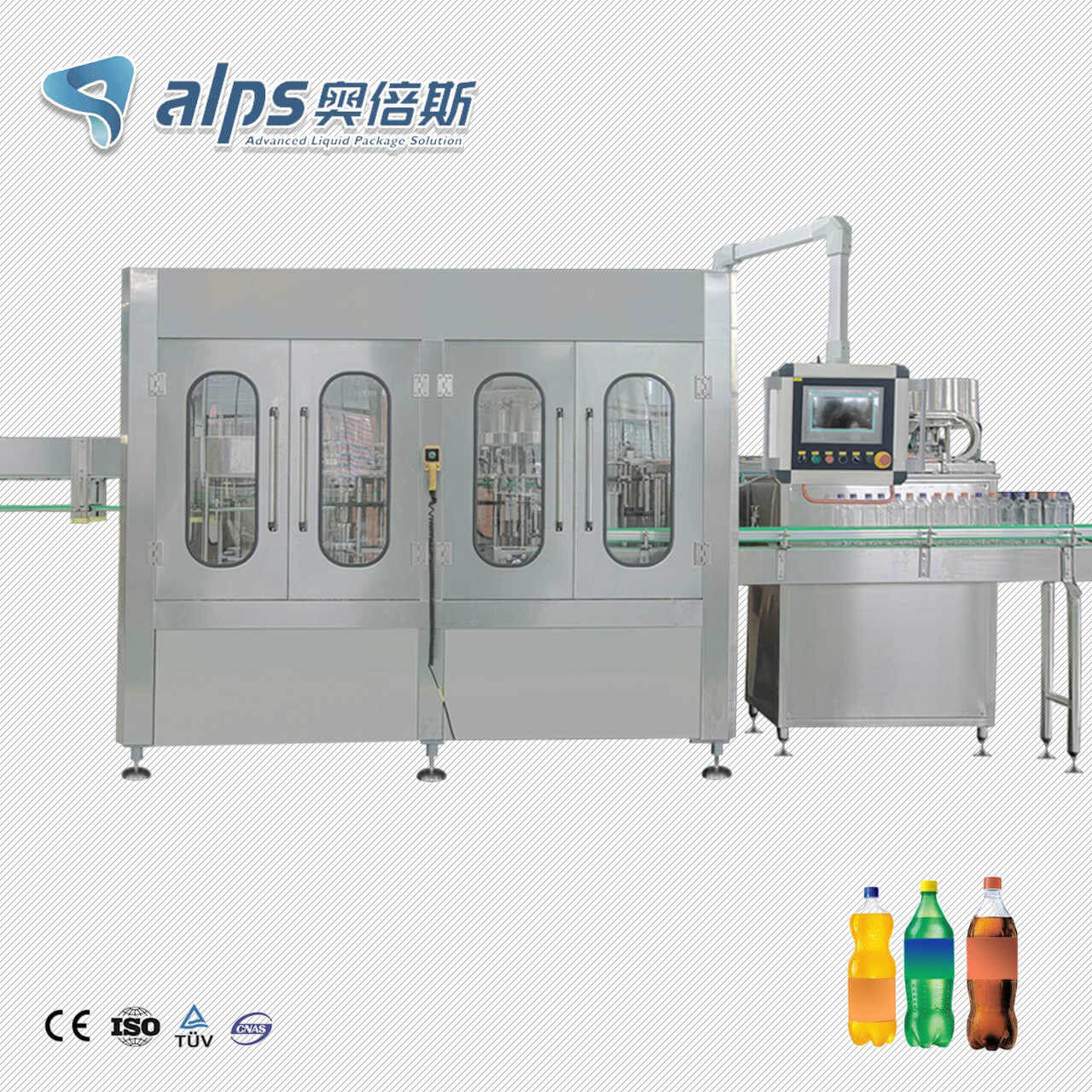
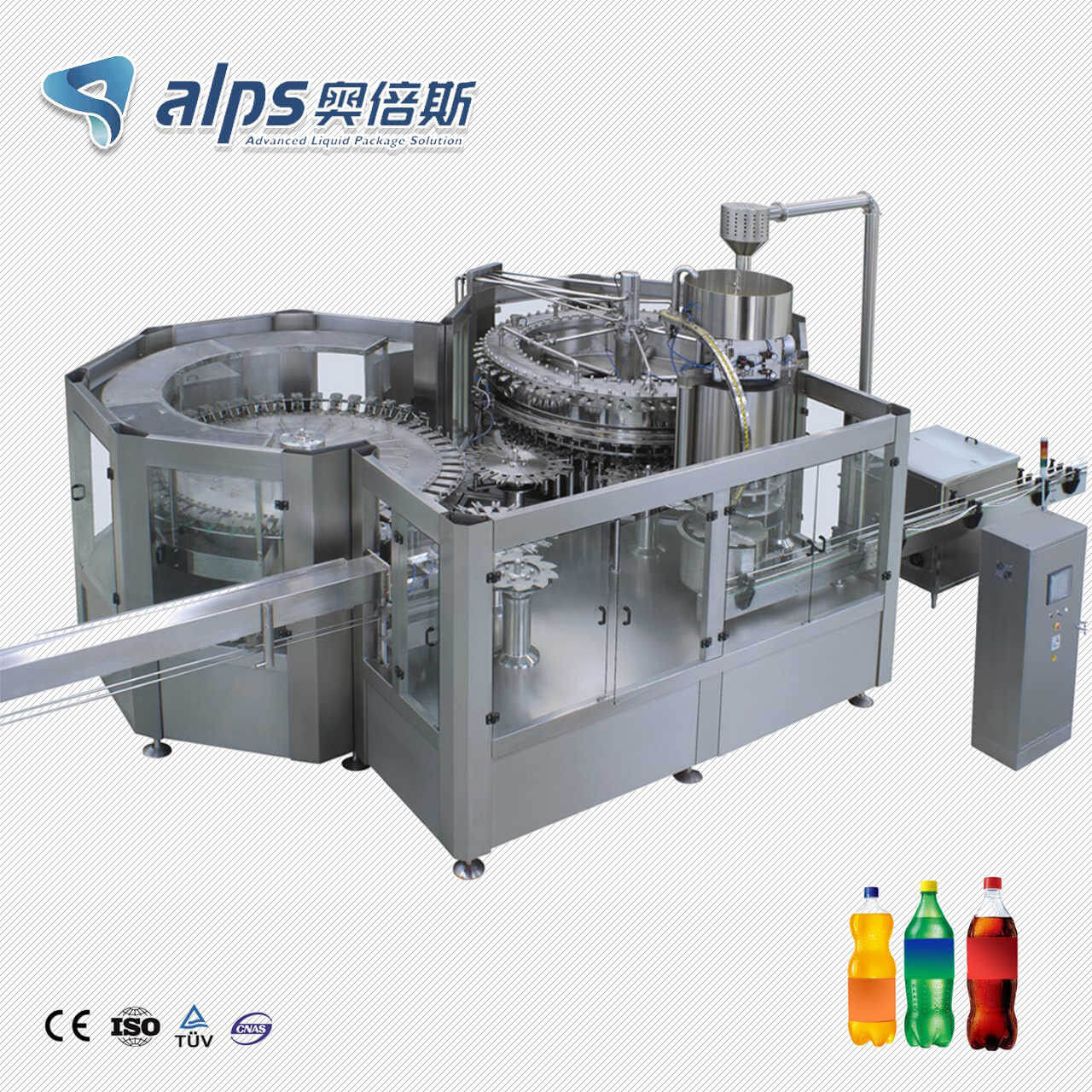
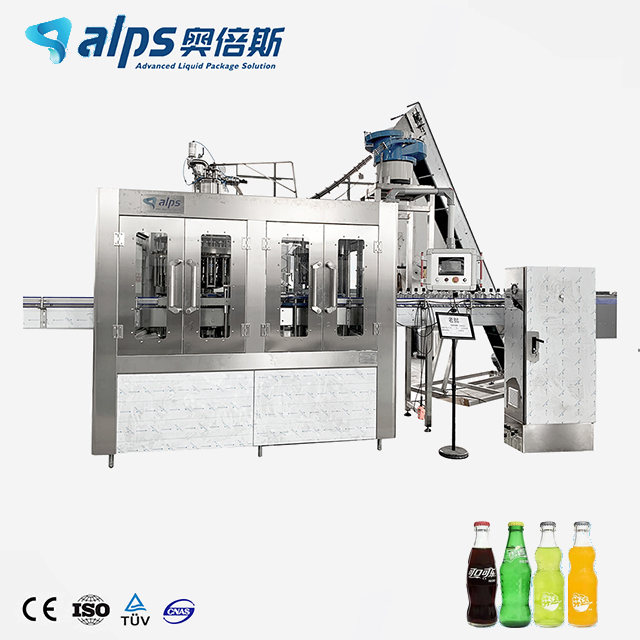
High-quality CSD filling machines, carbonated soft drink filling lines, canning lines, PET bottle filling machines, and turnkey beverage processing solutions all rely on precise engineering to manage foam effectively.
For manufacturers looking to optimize their filling processes or upgrade their equipment, Alps Machine, founded in 2011, provides industry-leading beverage filling and packing machinery, including carbonated drink filling machines, juice filling machines, mineral water filling machines, PET bottle blowing machines, 5-gallon water production lines, labeling machines, packaging machines, and complete turnkey project services. Alps Machine delivers stable performance, precision engineering, and comprehensive project support to help beverage producers reduce foaming issues and achieve superior operational efficiency.


By continuing to use the site you agree to our privacy policy Terms and Conditions.